
Review · LISBON
Port Wine Tasting Apéritif/Digestif at Portuguese Wine Bar
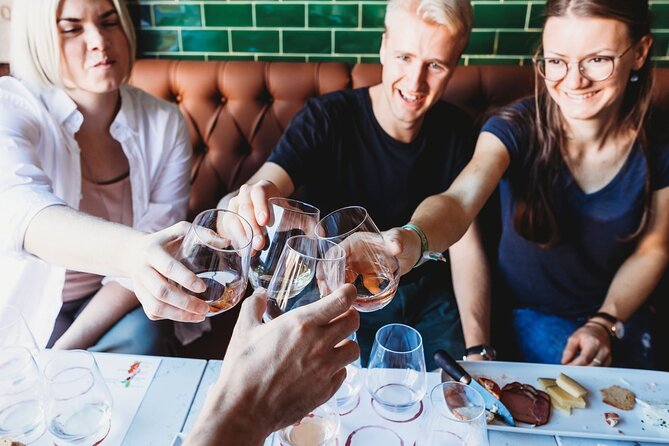
Port is not one single drink. This Lisbon tasting makes that clear in a tidy flight of six styles, from bright White and Rosé Port to richer Ruby, Tawny, Reserve, and a 10-year-old pour. It is a useful introduction for anyone who wants to understand what is in the glass before buying a bottle.
I like the small group of up to 10, since you have a fair chance to ask questions instead of simply sitting through a speech. I also like the central meeting point, with snacks included and the option to buy a bottle for later. The main caution is timing: some sessions finish in under 45 minutes, and a few people have found the pace rushed.
Key points at a glance
- Six distinct Ports: Taste Red Tawny, Red Ruby, White, Rosé, Reserve, and 10-year-old Port side by side.
- A compact Lisbon setting: The tasting takes place at From the Vine, a small Portuguese wine bar at Tv. do Fala-Só 15C.
- Small-group format: The maximum group size is 10, leaving room for questions.
- Snacks are included: Food breaks up the tasting and gives you something to enjoy with the wine.
- Useful for souvenir shopping: You have a good chance to choose a bottle after learning how the styles differ.
- Easy to pair with sightseeing: The activity ends where it begins, in a central part of Lisbon.
Six Ports, Six Different Ways to Read the Wine
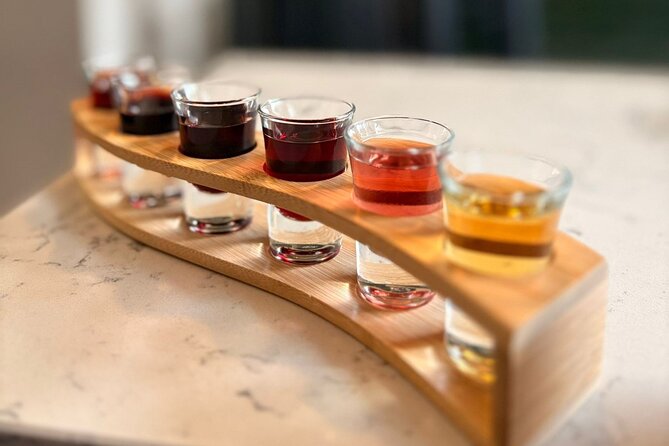
The point of this tasting is contrast. Six samples give you a quick lesson in how Port can change in color, sweetness, age, texture, and character.
You begin with Red Tawny and Red Ruby, two familiar red styles that help set the groundwork. Ruby Port is generally the more direct, fruit-led style, while Tawny gives you a chance to notice a softer, more developed character. The tasting does not turn you into a Port expert in one hour, but it gives you a useful vocabulary for the next glass.
White Port widens the picture. Many first-time visitors arrive in Portugal thinking only of deep red Port, so this sample helps correct that narrow view. Rosé Port adds another clear contrast. Seeing these lighter styles in the same flight makes the range of Portuguese fortified wine easier to grasp.
The final samples, Reserve and 10-year-old Port, give the tasting a sense of progression. You can compare the more standard styles with wines that carry more age or selection behind them. The 10-year-old pour is especially useful if you are considering a bottle for a special evening or want to understand why older Port costs more.
The order matters. Tasting six wines one after another can become a blur if every sample tastes alike. Here, the different categories are meant to remain distinct. You can pay attention to color first, then aroma, sweetness, weight, and finish.
More Wine Bar Tours in Portugal:
- Wine and Cheese Tasting Lunch in Portuguese Wine Bar
★ 5.0 · 447 reviews - 8-Tier Hungarian Wine Tasting in a Cozy Downtown Wine Bar
★ 4.9 · 269 reviews - Salzburg: Guided Wine Tasting in a Hidden Wine Bar
★ 4.4 · 58 reviews
What the One-Hour Session Feels Like
The advertised duration is about one hour, but you should allow for a session that may run closer to 45 minutes. That is not necessarily a problem. Six samples in a short sitting can be enough for a focused introduction, especially if the guide keeps the explanation moving.
Still, pace matters. Some people have found the presentation rushed, while others felt they had plenty of time and did not feel hurried. Your experience may depend on the size of the group, the questions being asked, and how much detail the guide provides that day.
The format is best understood as a polished introduction rather than a long wine course. You will hear about each Port’s origins, tasting notes, and role in Portuguese culture. The explanation is designed to make the flight easier to follow, not to cover every detail of winemaking, vineyard practice, or regional history.
I would treat the hour as a focused stop in your Lisbon day. Come ready to taste, listen, and ask questions. If you want a long, slow evening with extensive technical discussion, this may feel brief. If you want six well-separated samples and a clear explanation, the length works well.
Starting at From the Vine on Tv. do Fala-Só
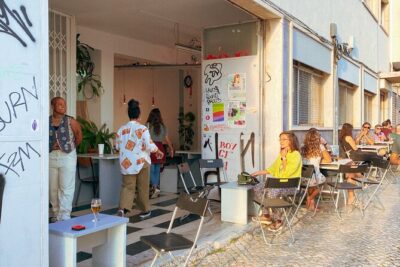
The meeting point is From the Vine, Portuguese Wine Tasting Bar, at Tv. do Fala-Só 15C, 1250-096 Lisboa. It is described as a small bar slightly away from the main path, rather than a large restaurant or formal cellar.
That setting shapes the experience. A compact room can feel more personal than a big commercial tasting area, and a group capped at 10 should help keep the conversation close. You are not being moved from place to place. The session starts and ends at the same bar, which keeps the logistics simple.
You should check the address before setting out. The location is near public transportation, but the supplied information does not identify a particular station, route, or walking time. I would use the exact address on your mobile ticket and arrive with enough time to find the door.
The activity is offered in English, with an English and Portuguese guide. That is useful if you want the presentation in English while still enjoying a local setting. No individual guide name is provided, so you should not book this expecting a particular host.
How the Six-Pour Flight Builds Your Understanding
More nights out across Portugal:
- Porto: 4 Bar Pub Crawl, 7 Drinks, & Skip-the-Line Club Entry
★ 4.6 · 485 reviews - Porto: Tile Painting and Cocktails in Downtown Porto
★ 4.9 · 484 reviews - Porto Pubcrawl: 5h,7 Drinks,4 bars &Skip the line Club Entry
★ 5.0 · 249 reviews - Tile Painting and Cocktails in Downtown Porto
★ 5.0 · 187 reviews
Red Ruby and Red Tawny
The two red styles make a sensible opening pair. Ruby Port gives you a clear reference point for a younger, more fruit-centered red Port. Tawny helps show how a different style can feel less focused on fresh red fruit and more shaped by time and wood aging.
You do not need prior wine knowledge to follow this comparison. Look at the color, smell each pour before tasting, and notice how the wine changes across your mouth. Even a beginner can spot that these are not simply two bottles with different labels.
White Port
White Port is one of the most useful surprises in the flight. It shows that Port is not limited to the heavy, dark drink many people picture.
This sample also helps you think about serving occasions. The tasting explains the wine’s place in Portuguese culture, so you gain more than a quick sip. You begin to see why a Portuguese bar might offer several Port styles instead of just one house red.
Rosé Port
Rosé Port adds a lighter-looking option to the lineup. Tasting it after the red and white versions lets you compare appearance and style without having to rely on a long lecture.
For many people, this is the point where Port begins to feel less predictable. If you normally avoid fortified wines because you expect them to be dark and sweet, this sample gives you a different point of reference.
Reserve Port
Reserve Port shifts the tasting toward a more selected style. The word can mean different things across wine regions, so the guide’s explanation is useful here. Pay attention to how this pour compares with the earlier samples rather than judging it on age alone.
This is also a practical point to ask about bottles. If one style suits you better than the others, ask what to look for in a shop and what kind of occasion the wine fits.
10-Year-Old Port
The 10-year-old Port gives the flight its clearest age comparison. It lets you consider how a more mature wine differs from younger and more straightforward styles.
You may find this sample the most useful if you are choosing a gift or souvenir. The tasting gives you a chance to decide what you actually like, rather than buying a bottle based only on the word Port or an attractive label.
Snacks Make the Tasting More Comfortable
Snacks are included, and this matters in a tasting built around six alcoholic samples. Small bites give you something to enjoy between pours and help break up the sweetness and strength of Port.
The snacks have also been described as generous and good companions to the drinks. That does not make the session a meal, so do not arrive expecting dinner. Think of the food as a practical part of the tasting, not a separate course.
I like this arrangement because it keeps the focus on the wine while making the hour more comfortable. Port can be rich, and six samples can feel like a lot without something to eat. The snacks help you slow down and compare the wines with a clearer palate.
Asking Questions in a Group of Ten
The small-group limit is one of the strongest features here. With no more than 10 people, you have a better chance to ask about sweetness, age, styles, storage, or choosing a bottle.
That matters because a tasting is more useful when you can connect it to your own tastes. You might prefer a lighter Port, a fruitier red, or an older style. A question at the right moment can help you turn a general presentation into practical buying advice.
The quality of the discussion can vary with the guide and the group. Some sessions have offered clear commentary in good English and enough detail for someone starting from a low base. Other sessions have felt more hurried. If you have a question, ask it early rather than waiting until the final pour.
The guide also appears to focus on presenting the wines rather than pushing sales. That can be a positive if you want a relaxed introduction. If you specifically want help choosing and purchasing a bottle, ask directly. A bottle purchase is not listed as included, and you should treat it as an optional extra.
Is $28.76 Good Value for Lisbon?
At $28.76 per person, the value depends on what you want from a wine experience. You receive six alcoholic samples, snacks, a guide in English and Portuguese, and a small-group setting. For a first lesson in Port, that is a fair package.
The strongest value comes from the range. You are not tasting six nearly identical red wines. The selection covers red, white, rosé, reserve, and an older Port, giving you a useful basis for comparison.
The price is less attractive if you want a long session with extensive technical detail. The experience lasts about an hour and can finish in under 45 minutes. If your main goal is a full meal, a vineyard visit, or a detailed wine education course, you may want something longer.
It is also good value for a souvenir decision. Port bottles vary widely in style, and buying one without tasting can be a gamble. Here, you can identify a favorite first. The activity does not include a bottle, but it may save you from buying the wrong one.
Fitting the Tasting Into Your Lisbon Day
The activity begins and ends at the same location, so you do not lose time arranging transport between stops. That makes it easy to pair with other plans before or after the tasting.
The central location is especially handy if you want to continue exploring Lisbon afterward. You could make the tasting a short break in a day of sightseeing, or use it as a relaxed introduction before dinner. The supplied details do not promise a specific neighborhood route or nearby attraction, so plan your next stop separately.
Because the session is short, avoid treating it as your only activity for the day. Its value is as a compact cultural stop. You get a look at Portuguese wine, a chance to talk with other wine lovers, and a practical reason to pause for an hour.
I would also avoid scheduling it too tightly against another timed booking. The usual length is about an hour, but the session may vary slightly. Give yourself a little breathing room, especially if you need to reach another part of Lisbon afterward.
Who Will Enjoy This Port Introduction
This experience suits you if you are new to Port and want a simple way to compare styles. You do not need technical wine knowledge, and the presentation is intended to explain origins, tasting notes, and cultural importance in clear terms.
It also works for a couple or small group of friends who want a social stop. The room is small, and the chance to ask questions makes it more interactive than simply ordering one glass at a bar.
Wine lovers will find value in the contrast between the six samples, though experienced Port drinkers may want more depth than the session offers. The tasting is not designed as an advanced study of producers, vintages, or regional production.
You should think twice if you dislike short presentations or feel rushed when tasting. The pace has been comfortable for some people and too quick for others. A slower wine event may suit you better if you want long pauses and detailed discussion.
Service animals are allowed, the activity is near public transportation, and most people can participate. The experience requires good weather according to the booking conditions. If poor weather causes a cancellation, you are offered another date or a full refund.
Booking, Cancellation, and Practical Details
You receive confirmation at the time of booking, and the mobile ticket makes it easy to keep the meeting information with you. The experience is offered in English and has a maximum of 10 people.
Free cancellation is available if you cancel at least 24 hours before the start time. Cancellations or changes made less than 24 hours before the start are not refunded or accepted. The cut-off follows local Lisbon time, so check the clock carefully if you are changing plans close to the appointment.
The activity has an average advance booking time of 19 days. That does not mean you must book exactly that far ahead, but it suggests you should reserve early if your Lisbon dates are fixed.
Should You Book This Lisbon Port Tasting?
Book it if you want a short, affordable introduction to six Port styles in a small setting. The flight is varied, snacks are included, and the central location makes it easy to add to a Lisbon sightseeing day. It is especially useful if you hope to take home a bottle but are unsure which style suits you.
Skip it if you want a long cellar visit, a full meal, or advanced wine instruction. The compact format can feel rushed, and the exact level of detail may vary. For most first-time Port drinkers, though, the six contrasting samples and chance to ask questions make this a practical way to get oriented before exploring more of Portugal’s wine culture.
FAQ
How many Ports are included in the tasting?
Six Port wines are included: Red Tawny, Red Ruby, White Port, Rosé Port, Port Reserve, and a special 10-year-old Port.
How long does the experience last?
The advertised duration is approximately one hour. Some sessions have lasted under 45 minutes.
Where does the tasting take place?
It starts and ends at From the Vine, Portuguese Wine Tasting Bar, at Tv. do Fala-Só 15C, 1250-096 Lisboa, Portugal.
Is food included?
Yes. Snacks are included with the tasting.
Is the tasting offered in English?
Yes. An English and Portuguese guide leads the experience, and the activity is offered in English.
What is the cancellation policy?
You can cancel up to 24 hours before the start time for a full refund. Cancellations or changes made less than 24 hours before the start are not accepted or refunded.
Last orders added around Portugal
- Bar Hopping & Poncha Workshop★ 4.0 · 2 reviews
- Queer Lisbon Nightlife Tour★ 5.0 · 30 reviews
- Private Paradise Beaches and Famous Beach Bars Tour in Lisbon★ 5.0 · 5 reviews
- Private 4h Benagil or CountrySide Safari★ 5.0 · 9 reviews
- Albufeira PRIVATE Night Tour with Cocktails & Drinks★ 5.0 · 19 reviews
- Albufeira: 5 Bars and 1 Nightclub Pub Crawl with Free Shots★ 4.0 · 8 reviews
- Portuguese Traditional Dinner & Wine Experience★ 5.0 · 4 reviews
- Madeira: Bar Hopping★ 3.5 · 4 reviews
Lisbon Bar Crawls: the next round
Wine and Cheese Tasting Lunch in Portuguese Wine Bar
Read our review →


Private Night Bar Crawl in Lisbon with Local Guide and Drinks
Read our review →
Lisbon Coast Tour: Paradise Beaches & Famous Beach Bars
Read our review →
This night out also appears in