
Review · NEW ORLEANS
Private New Orleans Music and Culture Tour with Bar Stop
New Orleans music is not just something you hear in a club. It is tied to neighborhoods, churches, family stories, racial struggle, record labels, and the streets where artists grew up. This tour puts that connection first, using a minivan to link Black history and music culture across the city.
I like the focus on stories often skipped by standard sightseeing tours, especially the honest discussion of the slave trade, Hurricane Katrina, and the levee failure. I also like the stops connected to Lil Wayne, Manny Fresh, Mia X, Cash Money Records, and the Dew Drop Inn. The main drawback is that this is a serious history lesson mixed with loud music and music videos, so it may feel intense or a little much if you want a quiet architectural tour.
Key points to know before booking
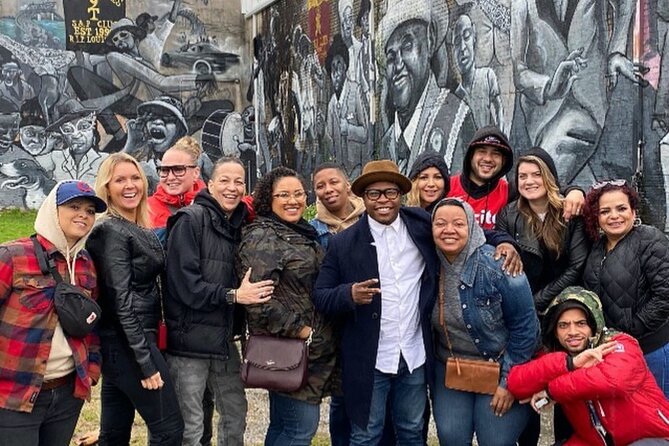
- Studio Be opens the tour to local art and community life, with large-scale work by artists and a strong New Orleans point of view.
- The minivan covers far more ground than a walking tour, linking Uptown, historic African American neighborhoods, music landmarks, and celebrity homes.
- Dennis and Jay are named guides associated with the experience, and both are described as engaging local presenters.
- The tour treats Katrina and the levee failure as central history, not as a passing photo stop.
- Cash Money, Lil Wayne, Manny Fresh, Mia X, and the Dew Drop Inn connect the city’s neighborhoods to modern music.
- The $75 price includes the tour itself, but food and drinks at the bar stop are extra.
A music tour that starts with the people behind the sound
This is a New Orleans tour for anyone who wants more than the French Quarter, jazz clubs, and pretty balconies. Over about three and a half hours, you move through the city by minivan while your guide explains how Black communities shaped New Orleans culture, music, business, and identity.
The tone is direct. You can expect stories about the slave trade, the buildings connected to it, the oldest African American neighborhood, and the damage caused by Hurricane Katrina. The tour also shifts gears, moving into hip-hop, rap videos, local record labels, and the homes and neighborhoods connected to famous performers.
That change in mood is part of the design. One stretch may leave you quiet and reflective. The next may have music playing in the van while you pass a mural or a rapper’s childhood neighborhood. I see that as a strength, though it is worth knowing before you book. This is not a gentle background tour.
Dennis and Jay are the guides specifically associated with the experience. The guide’s personality matters here because much of the value comes from spoken context rather than formal museum displays. Dennis is described as bringing local experience to the history of New Orleans, while Jay is described as keeping the group engaged and laughing. Your guide may vary, but the format depends on an energetic presenter who can connect past and present.
More nights out across New Orleans:
- New Orleans Lewd Spirits Haunted Tour with Bar Stops
★ 5.0 · 823 reviews - New Orleans Cocktail and Food History Tour
★ 5.0 · 819 reviews - New Orleans Original Craft Cocktail Walking Tour
★ 4.5 · 675 reviews
Why the minivan format works in New Orleans
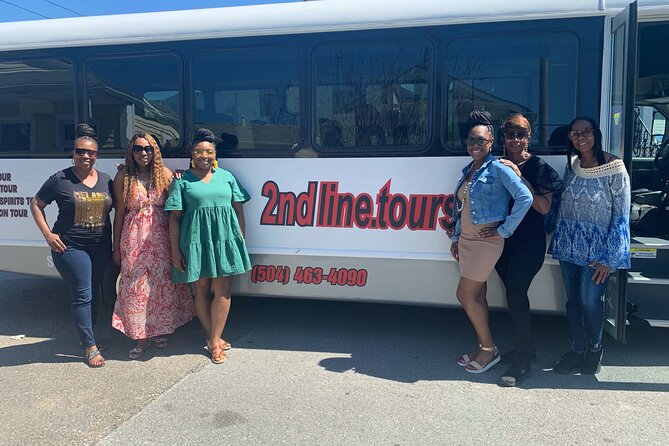
The meeting point is the parking lot at 414 Canal Street. The tour begins at 10 a.m. and returns to the same place at the end. You are not simply strolling around one district, so the minivan is important. It allows the group to connect Uptown, music landmarks, historic neighborhoods, murals, and residential areas in one morning.
A maximum of 20 people keeps the group smaller than a large sightseeing bus, though it is not a private car experience in the strict sense. The title calls it private, but the stated maximum is 20 participants, so I would confirm the exact group arrangement when booking if that distinction matters to you.
The vehicle also provides relief from walking. New Orleans can be hot, humid, and tiring, and the stops cover ground. You will still get out at selected places, but the tour is not built around a long walk through every neighborhood.
The tradeoff is that you see many places from the road or during short stops. The itinerary includes a 15-minute stop in Uptown, and the tour is designed to show connections across the city rather than offer long visits at each address. If you prefer one museum or landmark explored at length, this will feel fast.
Studio Be: art, place, and a modern New Orleans voice
Studio Be is one of the more distinctive stops because it gives the tour a visual and creative opening. It is presented as a space for artists, local residents, and visitors, with work aimed at sharpening public conversation and imagining a better future.
That description matters. Studio Be is not included simply as a colorful photo stop. It frames New Orleans culture as something made by people who live here, argue about the city, remember its past, and picture what comes next.
You should expect the guide to use the stop as a way into local community and artistic expression. It also helps balance the tour’s many music-related locations. Not every important New Orleans cultural site is a recording studio or a famous club. Art spaces show another side of the city’s creative life.
The available details do not state how long you spend at Studio Be or what admission arrangements apply. If this stop is especially important to you, ask the operator about the timing before you go.
The jazz birthplace and the oldest African American neighborhood
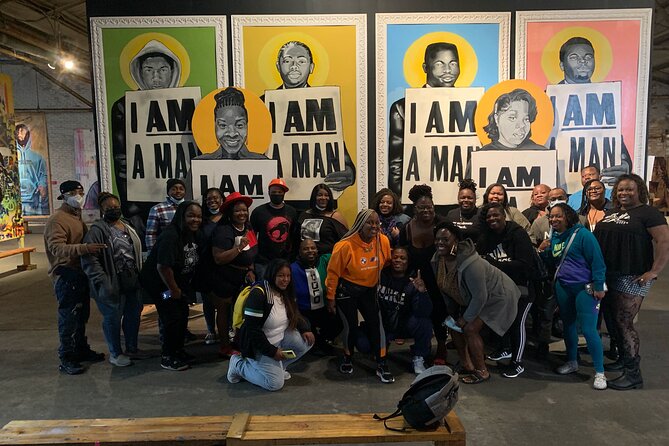
The tour includes a stop identified as the birthplace of jazz, along with the oldest African American neighborhood. These are not minor additions. They provide the historical base for understanding why New Orleans music sounds the way it does and why local culture cannot be separated from Black life in the city.
The guide connects places to wider events, including the slave trade and the buildings where those trades took place. That approach gives you more than a list of dates. You are asked to consider how forced migration, racial power, community survival, and creativity shaped the city.
The oldest African American neighborhood stop should be especially useful if you have already seen the French Quarter and want a wider view of New Orleans. The city’s familiar tourist image can hide the communities that built much of its music and social life. This tour works to correct that narrow picture.
I would listen closely during these sections. The tour’s strongest quality is its willingness to explain difficult subjects plainly. It does not treat history as decoration around the music. Instead, it shows how the music grew from real lives and real pressure.
Same city, a different round of bars:
- New Orleans Cocktail History Walking Tour in the French Quarter
★ 5.0 · 604 reviews - French Quarter Small-Group Cocktail and Foodie Crawl
★ 5.0 · 519 reviews - New Orleans: Combo Cocktail and Food History Tour
★ 4.9 · 180 reviews - New Orleans VIP Bar and Club Crawl
★ 4.5 · 126 reviews
Hurricane Katrina, the levee, and a difficult part of the story
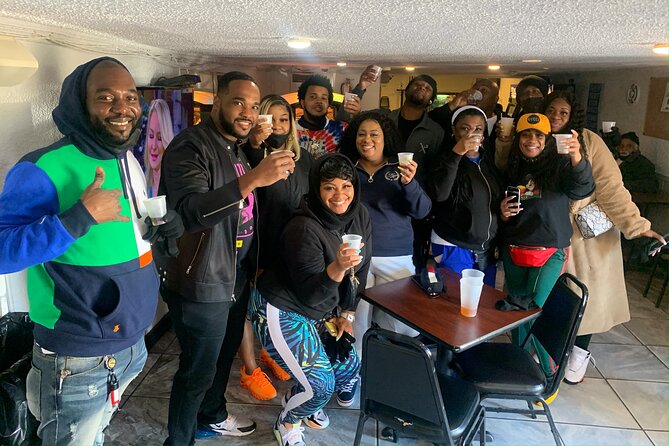
The Katrina portion is one of the most serious parts of the experience. The tour visits the levee that broke and addresses how the hurricane devastated New Orleans residents. Personal stories from the guide make this more than a standard disaster overview.
This section may be emotional. You are not simply pointed toward a damaged area and given a quick explanation. The guide uses the event to discuss the people affected and the community’s resilience afterward. I appreciate that the tour gives Katrina enough weight to change the pace of the morning.
You should also understand that the tour cannot provide a full study of the storm, the flood, or the recovery in a few hours. Instead, you receive a local account woven into a broader cultural tour. For a fuller examination, you would need a separate museum or dedicated Katrina experience.
Still, placing this story alongside the music and neighborhood stops makes sense. New Orleans artists, families, and communities did not exist apart from the storm. The city’s modern culture includes loss, displacement, rebuilding, and the decision to keep creating.
Lil Wayne, Drake, and the city’s hip-hop map
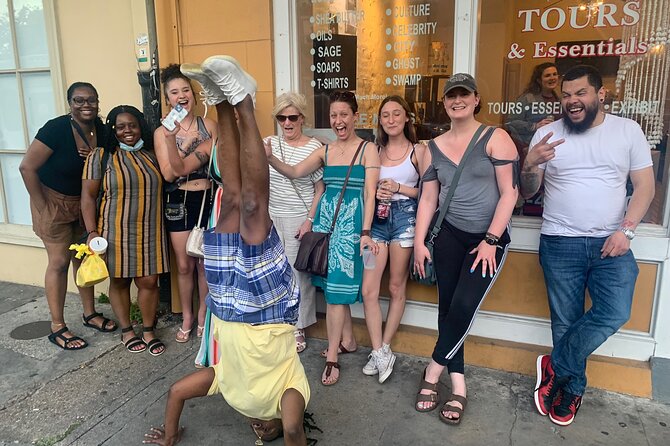
The second half becomes more playful and music-driven. The van passes the childhood home of Lil Wayne, along with a Lil Wayne mural featured in Drake’s video In My Feelings. These stops connect ordinary residential streets with the global reach of New Orleans music.
That is a useful reminder that famous performers do not come from an abstract entertainment world. They come from specific neighborhoods. Seeing those places gives you a better sense of how local identity can travel through videos, lyrics, and record labels.
The tour also covers neighborhoods associated with Manny Fresh and Mia X, plus areas connected to other well-known entertainers. Music may play in the van to help identify the artists and moments being discussed. You might enjoy that added soundtrack, especially if you know the music already.
If you are not familiar with New Orleans rap, the guide’s explanations become more important. The tour is not only for hip-hop fans, but the experience will likely land best if you are willing to listen to clips and follow references to artists, videos, and neighborhoods.
Uptown, Gladys Bar, Cash Money, and the Dew Drop Inn
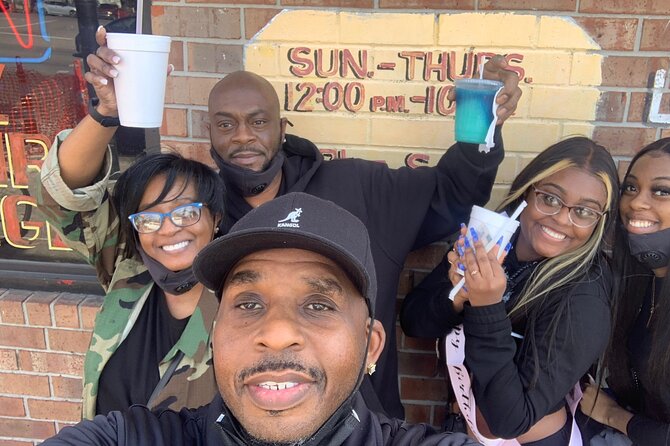
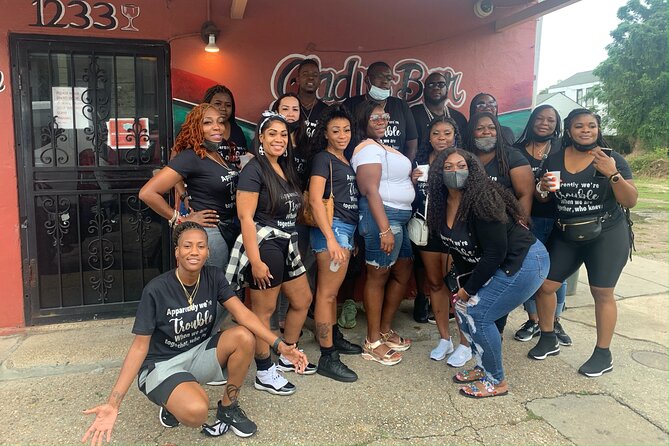
The Uptown portion includes Gladys Bar, described as the birthplace of Cash Money Records, and the Dew Drop Inn. The Dew Drop Inn is especially important because it played a major role in rock and roll during segregation.
These places connect several layers of New Orleans music. Gladys Bar points toward the city’s rap and record-label story. The Dew Drop Inn reaches back to an era when Black performers faced segregated venues and limited opportunities, yet helped shape a sound that influenced popular music far beyond Louisiana.
The scheduled Uptown stop is about 15 minutes, with free admission. That tells you what kind of visit to expect: a focused look, a guide’s explanation, and time to take in the setting, not a long indoor tour.
The bar stop is also where you can buy a refreshment at your own expense. Food and drinks are not included in the $75 price. I would bring a payment method and treat this as an optional pause, not a meal stop. The tour does not state that food is provided, so eat beforehand if you need a full breakfast or lunch.
What $75 buys you
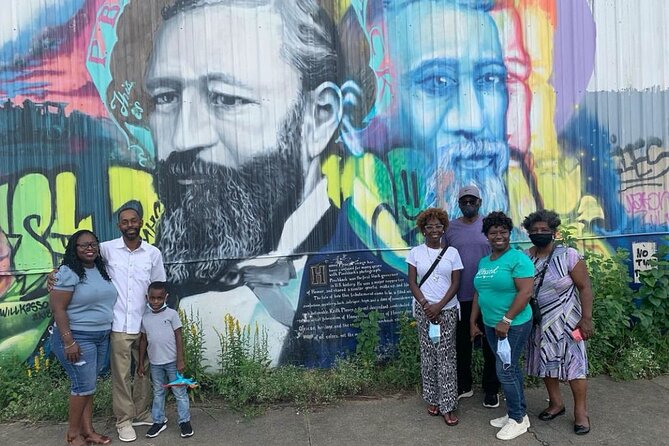
At $75 per person, this tour is priced above a basic neighborhood walk but below many full-day private experiences. The value comes from the amount of city covered and the local interpretation tying each stop together.
You are paying for a three-and-a-half-hour guided experience, transportation between districts, and a subject that requires context. The tour includes many separate themes: jazz, Black history, Katrina, hip-hop, record labels, neighborhood life, art, and segregation-era music venues. Doing all of that independently would require several addresses, careful research, and a way to get between them.
The price does not include drinks or food. Admission is free at the listed Uptown stop, and the supplied details do not identify other entrance charges. That keeps the base cost fairly clear, but you should budget extra if you want a drink at the bar.
The group can be as large as 20 people. That is small enough for a more personal guide presentation than a big coach tour, but not so small that you should expect a fully customized route. If you want a private family outing or a personal music itinerary, ask for details before purchasing.
Who will get the most from this tour
I would choose this experience if you want to understand how New Orleans culture was made, not just where to take photographs. It suits first-time visitors who want a broader city view, as well as repeat visitors who have already covered the French Quarter.
It is a particularly good fit for:
- People interested in Black American history and culture
- Music fans who want jazz, rap, rock and roll, and Cash Money connections in one outing
- Visitors who prefer local storytelling to a standard sightseeing script
- Anyone who wants to see neighborhoods beyond the central tourist areas
- Repeat New Orleans visitors looking for a different angle on the city
- People who value transportation between scattered sites
I would be more cautious if you want a quiet tour, a highly polished museum format, or a deep architectural study. The material can be hard, the guide’s delivery may be candid, and the music and videos may be energetic. The experience also covers many subjects, so it offers breadth rather than a long, detailed visit at one location.
Most people can participate, and the meeting point is near public transportation. Confirmation is provided when you book. The tour depends on good weather and a minimum number of participants. If the operator cancels for either reason, you are offered another date or experience, or a full refund.
My recommendation for booking
Book this tour if you want New Orleans explained through its Black communities, music, and lived experience. The strongest parts are the honest treatment of slavery and Katrina, the local guide perspective, and the connection between famous artists and the neighborhoods where they grew up.
I would not book it solely for a bar visit or celebrity-house sightseeing. Those are colorful parts of the route, but the real purpose is cultural education. Go ready for a tour that can move from a difficult Katrina story to hip-hop playing in the van, then from jazz origins to a segregated-era music venue.
At $75, the tour makes sense for you if you value a guide who adds meaning to places you could not easily interpret on your own. If you want a relaxed, narrow music tour with lots of free time, choose something slower. If you want a candid, citywide look at how New Orleans music and Black culture shaped one another, this is a strong choice.
FAQ
Where does the tour begin?
It begins at the parking lot at 414 Canal Street, New Orleans, Louisiana 70130.
What time does the tour start?
The scheduled start time is 10 a.m.
Where does the tour end?
The tour returns to the same meeting point at 414 Canal Street.
How long does the experience last?
The tour lasts approximately three hours and 30 minutes.
Is food or a drink included?
No. Food and drinks are not included. You may purchase a refreshment at the local bar stop at your own expense.
How many people can join the tour?
The activity has a maximum of 20 participants.
What happens if bad weather cancels the tour?
If poor weather causes a cancellation, you are offered a different date or experience, or a full refund. You can also cancel for a full refund if you do so at least 24 hours before the start time.
Last orders added around New Orleans
- Sip and Saunter: Daytime Cocktail Tour★ 5.0 · 8 reviews
- Scandalous Cocktail Hour Tour★ 4.0 · 58 reviews
- Sip History in the Crescent City Cocktail Making Class★ 4.5 · 32 reviews
- New Orleans Seafood Bar Crawl★ 4.5 · 90 reviews
- Irish Channel Bike Bar Tour: Murals, History and Bar Crawl★ 5.0 · 2 reviews
- New Orleans French Quarter Haunted History Cocktail Tour★ 5.0 · 2 reviews
- New Orleans History of Drinking Cocktail Bike Tour★ 5.0 · 7 reviews
- French Quarter Bar Pit Stop and NOLA Legends Tour★ 5.0 · 3 reviews
New Orleans Bar Crawls: the next round
New Orleans Lewd Spirits Haunted Tour with Bar Stops
Read our review →
New Orleans Original Craft Cocktail Walking Tour
Read our review →
New Orleans Cocktail History Walking Tour in the French Quarter
Read our review →
French Quarter Small-Group Cocktail and Foodie Crawl
Read our review →
This night out also appears in