
Review · NEW ORLEANS
New Orleans Cocktail and Food History Tour
The best part of this New Orleans tour is the way a meal becomes a map of the city. You start with gumbo and a Hurricane in the French Quarter, then follow the story through Cajun cooking, Italian immigration, Caribbean rum, local candy-making, and the city’s grand old streets.
I like the wide range of tastes and the fact that the food comes with real context. I also like the guides, especially Meg, Ben, and Gary, who bring warmth, humor, and plenty of local suggestions. The main drawback is the price: at $160 per person, you need to value the history and four full-size drinks as much as the food.
Key things to know before you book
- Six food stops and up to four full-size drinks: Expect gumbo, jambalaya, muffuletta, pralines, fried plantains, hot sauce samples, and classic New Orleans cocktails.
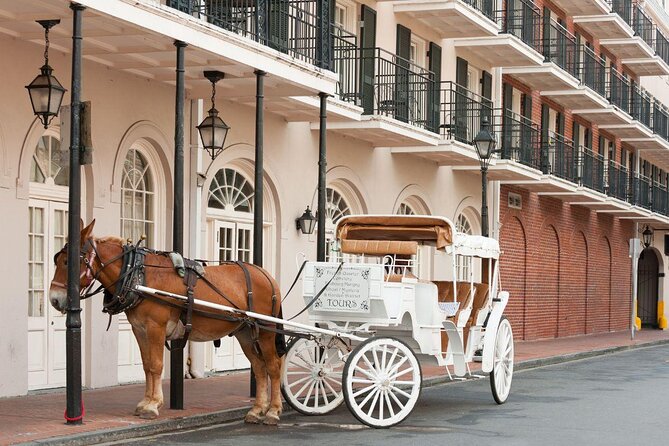
- The route crosses the French Quarter: You walk from Bourbon Street toward Jackson Square, Royal Street, and Decatur Street, ending at Cane & Table.
- History is part of every course: Your guide explains colonial Louisiana, Cajun influence, immigrant cooking, and Caribbean connections.
- Guides make a real difference: Meg, Ben, Gary, and Dylan have been praised for their energy, stories, and restaurant connections.
- Bring comfortable shoes and room for drinks: The walk is substantial, and several cocktails are served in full-size portions.
- Dietary limits matter: A vegetarian menu is available by request, but there is no gluten-free, dairy-free, or vegan option.
A four-hour introduction to New Orleans by fork and foot
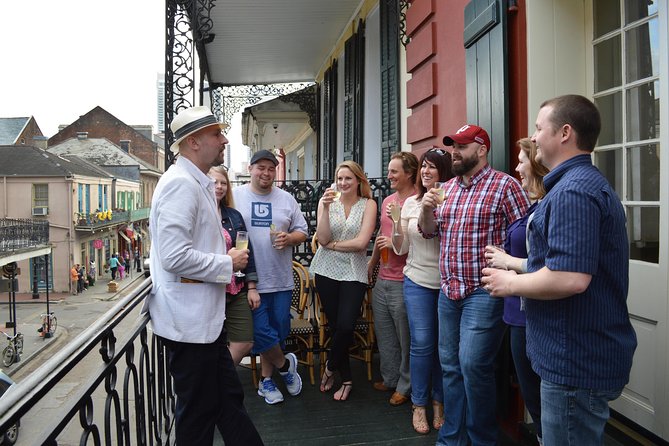
This is not a quick nibble between sightseeing stops. It is a half-day walk through the French Quarter, with food and cocktails used to explain how New Orleans became New Orleans.
The tour begins at 2 p.m. inside Red Fish Grill on Bourbon Street. From there, you make your way through a series of restaurants and specialty shops, stopping often enough to eat, listen, and catch your breath. The group can have up to 16 people, so the experience is more social than private but still small enough for questions.
The walking route matters. You pass Bourbon Street, Jackson Square, and Royal Street rather than simply moving from restaurant to restaurant by vehicle. That gives you a better feel for the old quarter, though it also means this is not the right choice if walking is difficult.
A guide such as Meg, Ben, or Gary can shape the afternoon. The strongest accounts describe guides who keep the history moving, answer questions, and offer ideas for jazz, restaurants, and other activities after the tour. That local advice may be one of the most useful parts of booking early in your stay.
Bar walks with the history told around New Orleans:
- New Orleans Cocktail History Walking Tour in the French Quarter
★ 5.0 · 604 reviews - New Orleans: Combo Cocktail and Food History Tour
★ 4.9 · 180 reviews - New Orleans: Early Evening Cocktail History Tour
★ 5.0 · 51 reviews
Red Fish Grill: gumbo, a Hurricane, and Louisiana’s beginnings
Your first taste is seafood gumbo with alligator sausage. The bowl combines shrimp and crab in a dark roux, with rice and slow-cooked alligator sausage. It is a good opening dish because it introduces the layered seasoning and long cooking methods associated with Louisiana food.
The first cocktail is a craft Hurricane. This is a full-size drink, not a tiny tasting glass, so pace yourself from the beginning. The drink is also a fitting introduction to New Orleans cocktail culture, and it gives your guide an easy way to explain how the city’s bar traditions became part of its identity.
This first stop usually lasts about 35 minutes. The discussion covers the pre-colonial and colonial periods of Louisiana. That broad starting point helps put the food in place before the tour moves into Cajun, Creole, immigrant, and Caribbean influences.
I like beginning here because gumbo is more than a famous local dish. It brings together ingredients and techniques from several cultures, and the alligator sausage makes the first course feel distinctly tied to Louisiana.
The one caution is portion size. The tour includes substantial food and four drinks, but not every stop is a full meal. The gumbo may be satisfying, yet you should think of the afternoon as a series of generous samples rather than four separate restaurant lunches.
Pepper Palace: a hot-sauce stop with plenty to taste
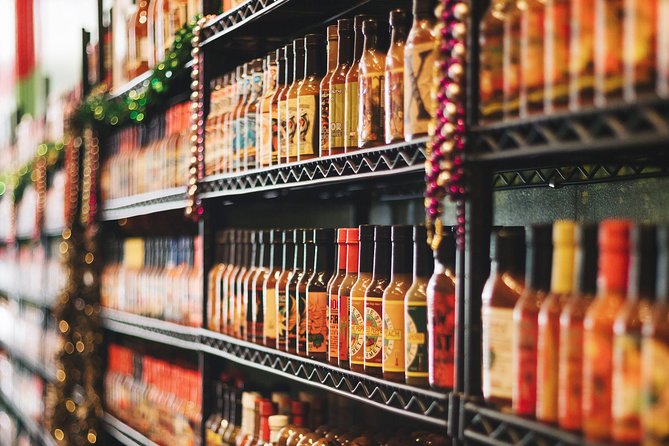
Four blocks later, you visit Pepper Palace for a very different food experience. Instead of sitting down to one plated dish, you can sample an unlimited range of hot sauces, barbecue sauces, Buffalo wing sauces, salsas, marinades, dry rubs, and seasonings.
This stop adds playfulness to the tour. You can compare flavors and heat levels, and you receive a free bottle of Louisiana-style hot sauce. It is also where the guide begins to explain the Cajun influence on the region’s cooking.
The hot-sauce stop is useful because it breaks up the restaurant courses. It also lets you see how strongly seasoning shapes New Orleans food. If you dislike spicy food, you can still focus on the sauces rather than trying every hot sample. The schedule gives you room to taste, ask questions, and move on without turning the stop into a rushed challenge.
This is one of the less substantial food stops, so do not count it as a replacement for lunch. Its value comes from variety, local flavor, and the chance to take a small edible souvenir home.
Napoleon House: muffuletta, jambalaya, and the immigrant story
The seated portion at Napoleon House is one of the tour’s most complete food stops. You receive a muffuletta, a chicken and andouille sausage jambalaya, and a Pimm’s Cup.
The muffuletta is an Italian-style sandwich built on fresh-baked bread. It includes pastrami, salami, smoked ham, provolone, mozzarella, and an in-house olive salad. The combination is rich and salty, with the olive mixture giving the sandwich its sharp edge.
The jambalaya brings the meal back to Louisiana’s rice-based cooking. It is slow cooked with chicken, smoked sausage, herbs, and spices. Together, the sandwich and jambalaya show how New Orleans cooking is not one single tradition. It grew through contact between Louisiana ingredients and the foodways of people who arrived from elsewhere.
Your guide uses this stop to discuss nineteenth-century immigration and its effect on local cuisine. That connection is especially helpful here because the muffuletta is easy to enjoy as a sandwich, but more interesting when you understand why an Italian-style loaf and cured meats became part of the New Orleans food scene.
The Pimm’s Cup gives you a lighter contrast to the food. Napoleon House is famous for this drink, and the seated setting makes it a good chance to slow down. By this point, you have had a Hurricane, sampled sauces, and eaten two savory courses, so a comfortable pause is welcome.
This stop may be the strongest argument for the price if you appreciate both food and explanation. It is also where the tour can begin to feel filling. If you arrive after a large lunch, you may find yourself managing portions.
More nights out across New Orleans:
- New Orleans Lewd Spirits Haunted Tour with Bar Stops
★ 5.0 · 823 reviews - New Orleans Original Craft Cocktail Walking Tour
★ 4.5 · 675 reviews - French Quarter Small-Group Cocktail and Foodie Crawl
★ 5.0 · 519 reviews - New Orleans VIP Bar and Club Crawl
★ 4.5 · 126 reviews
Leah’s Pralines: a sweet pause near Bourbon Street
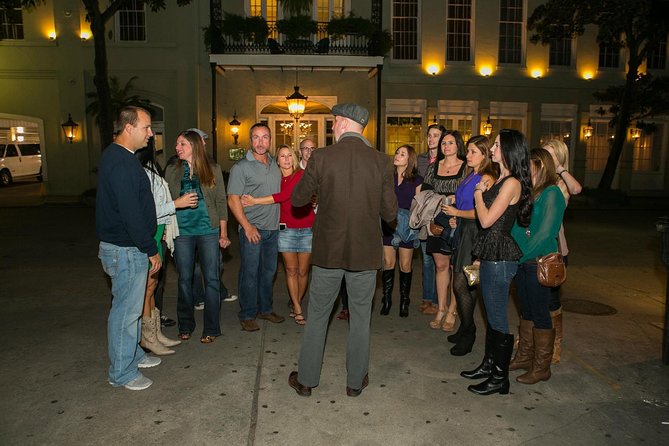
After Napoleon House, the route continues past Bourbon Street to Leah’s Pralines, a third-generation family-owned candy shop. Here you sample a traditional Louisiana praline made with brown sugar, pecans, and dairy, along with bacon pecan brittle.
The praline is an important New Orleans sweet, and this stop gives the tour a needed change of pace. The flavor is sugary, buttery, and nutty. The bacon pecan brittle offers a saltier, crunchier contrast.
This is a short stop, but it adds a family-business angle that a restaurant-only food tour would miss. You also get a better sense of how New Orleans food culture includes candy shops and small specialty stores, not just famous dishes and cocktails.
The praline sample is not large, but it does not need to be. After gumbo, jambalaya, and a muffuletta, a small sweet bite is the sensible portion.
Cane & Table: plantains, lime crema, and the final daiquiri
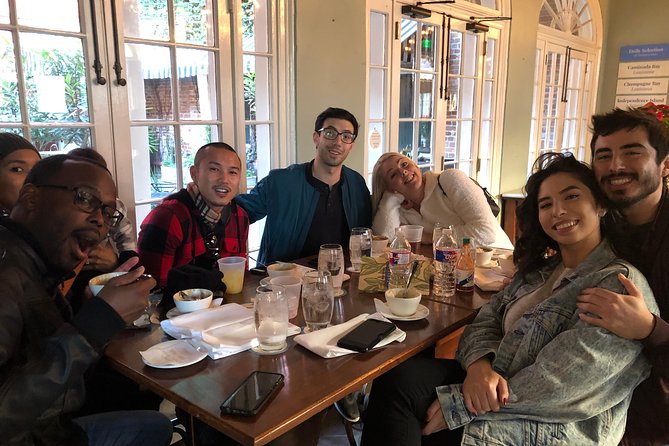
The final food stop is Cane & Table on Decatur Street, a James Beard Award-nominated restaurant focused on rustic colonial cooking and rum drinks. The tour ends inside the restaurant, so you can stay for another meal or drink afterward if you wish, though anything beyond the included menu is your own expense.
Here you try fried plantains, also called maduros, with lime crème fraîche, salsa macha, and cilantro. The plantains are mildly sweet, while the lime and salsa add brightness and heat. It is a simple dish with a lot of contrast, and it gives the tour a Caribbean note.
The cocktail is a classic daiquiri made with Caribbean white rum, fresh lime, and sugar. Unlike the sugary reputation of many frozen versions, this style depends on balance between tart citrus, sweetness, and rum. It is a fitting end to a tour that has traced food and drink across several cultures.
The discussion here centers on colonial cuisine and rum. That makes the last stop feel connected to the first, since the tour has moved from early Louisiana history through immigrant food traditions and into Caribbean influence.
The route also passes Jackson Square and Royal Street before reaching Decatur Street. These walks are part of the experience, not dead time. You get views of major French Quarter landmarks and a chance to digest between courses.
How much food and drink do you really get?
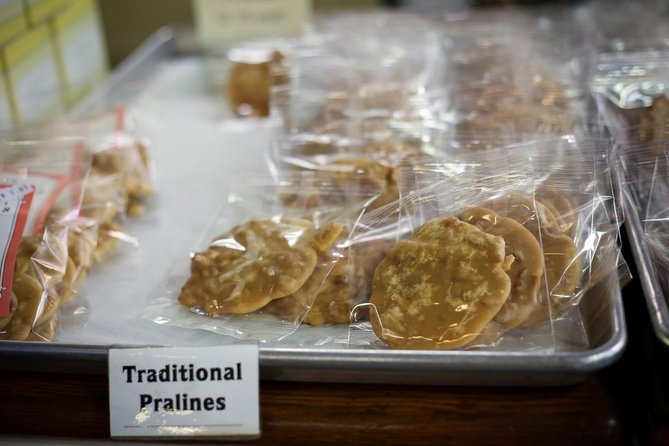
The included menu lists up to six food experiences:
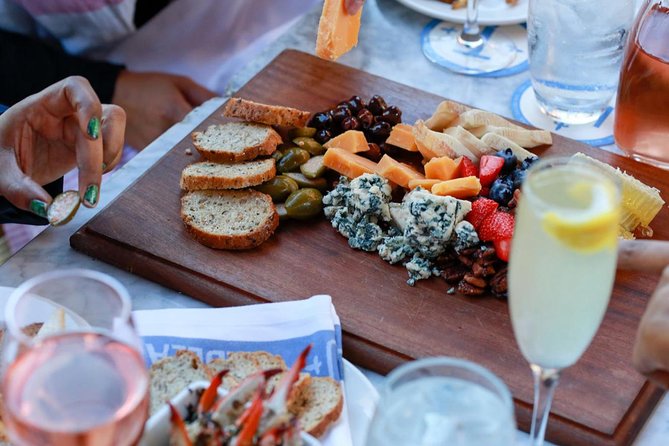
- Seafood gumbo with alligator sausage
- Unlimited hot sauce and seasoning samples
- Muffuletta
- Chicken and andouille sausage jambalaya
- Traditional praline and bacon pecan brittle
- Fried plantains with lime crème fraîche and salsa macha
You also receive up to four full-size cocktails. The listed drinks include the Hurricane, Pimm’s Cup, and daiquiri, with another cocktail included during the route depending on the day’s arrangements.
The food is intended to add up. Some people finish feeling full, while others find the amount lighter than expected for a $160 tour. The difference may come down to appetite and expectations. If you want four complete restaurant meals, this is not that. If you want a long afternoon with enough food to replace lunch, plus cocktails and guided interpretation, the value is easier to see.
The drinks also affect the price. Four full-size cocktails cost more than standard tasting pours, and the tour includes service at several established venues. Still, the fee is high enough that you should book this for the combined experience, not just the calories.
The guides are part of what you are paying for
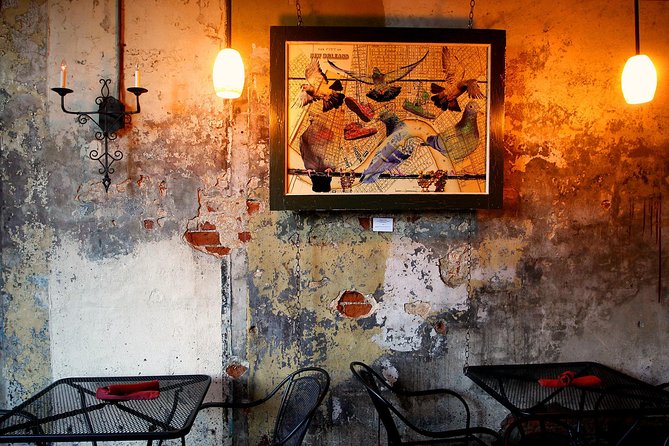
The tour’s strongest feature is the human side. Meg is often described as funny, warm, and passionate about New Orleans. Ben is praised for his stories, food knowledge, and ability to keep a group engaged. Gary is noted for packing a great deal of city and culinary history into the four hours, while Dylan is described as lively and well informed.
That matters because the route itself is easy to walk independently. You can visit Bourbon Street, Jackson Square, Royal Street, and Decatur Street without a guide. What you cannot easily recreate is the explanation tying all those places to gumbo, cocktails, immigrant cooking, and family food businesses.
The guides also provide practical suggestions for the rest of your trip. You may get ideas for restaurants, jazz, or places to visit after the tour. If you want the most from that part, ask questions. The small group limit helps, but the quality of the afternoon still depends partly on how much you engage.
Walking, timing, and practical details
Plan on about four hours, beginning at 2 p.m. The tour starts inside Red Fish Grill at 115 Bourbon Street and ends at Cane & Table at 1113 Decatur Street. You are not returned to the starting point, so note where you finish when arranging your evening.
Wear comfortable shoes. The route includes several blocks between stops and passes through busy French Quarter streets. The experience is specifically not recommended for people with mobility or walking problems.
The minimum age is 21, and alcoholic drinks are included. A mobile ticket is provided, and the tour is offered in English. Service animals are allowed, and most people can participate.
A vegetarian option is available if you request it during checkout. There is no gluten-free, dairy-free, or vegan option. Tell the operator about food allergies during checkout, and distinguish an allergy from a food dislike so the team can respond properly.
Venues may change if availability requires it. That means the exact restaurant sequence is not guaranteed, though the food and cultural focus remain the point of the experience. The tour is often booked about 33 days ahead, so reserve early if your dates are fixed.
You can cancel for a full refund up to 24 hours before the start time. Poor weather or an unmet minimum group size can also lead to a rescheduled date or full refund.
Is the $160 price fair?
The honest answer is: it depends on what you want from a food tour. At $160, this is a premium experience. You are paying for four hours, multiple restaurant settings, several substantial tastings, up to four cocktails, a small group, and a guide who explains the city as you walk.
The price feels more reasonable if you would otherwise spend an afternoon booking several places yourself and still miss the connections between the dishes. It feels less reasonable if you mainly want to eat as much as possible or prefer to choose every dish independently.
The restaurant settings are another part of the calculation. Napoleon House and Cane & Table provide atmosphere and a place to sit, while Pepper Palace and Leah’s Pralines add specialty stops. Some people find the food portions generous enough to feel full. Others expect more food and drink for the cost.
I would treat this as a history and cocktail tour with a serious food component, not as a bargain lunch crawl.
Who should book this New Orleans food tour?
You are a good match if you are visiting New Orleans for the first time, want a guided introduction to classic dishes, or prefer to combine sightseeing with lunch and drinks. It also works well for couples, friends, and solo visitors who enjoy meeting a small group over food.
History fans should pay attention to the guide’s explanations of colonial Louisiana, Cajun cooking, immigrant communities, and Caribbean influence. Cocktail fans will appreciate the Hurricane, Pimm’s Cup, and daiquiri, along with the chance to learn why New Orleans has such a strong drink tradition.
You may want a different tour if you need vegan, dairy-free, or gluten-free food, dislike walking, or want an unstructured afternoon. The classic New Orleans menu is appealing, but it is not designed around broad dietary flexibility.
Should you book it?
Book this tour if you want a polished first look at New Orleans food, cocktails, and French Quarter history in one afternoon. The guides are a major strength, and Meg, Ben, and Gary have the kind of personality that can turn a sequence of tastings into a memorable introduction to the city.
Skip it if $160 feels too high for several small courses, or if you expect a full plate at every stop. For most suitable visitors, the tour earns its price through the combination of food, full-size drinks, walking, and local context. Wear good shoes, arrive hungry but not stuffed, and save the rest of the evening for jazz or another drink.
FAQ
How long does the New Orleans Cocktail and Food History Tour last?
The tour lasts about four hours and begins at 2 p.m.
Where does the tour start and end?
It starts inside Red Fish Grill at 115 Bourbon Street and ends inside Cane & Table at 1113 Decatur Street.
How much does the tour cost?
The price is $160 per person.
Are drinks included?
Yes. The tour includes beverages and up to four full-size cocktails, including a Hurricane, Pimm’s Cup, and daiquiri.
Is a vegetarian option available?
Yes. A vegetarian option is available if requested during checkout. There is no gluten-free, dairy-free, or vegan option.
Is the tour suitable for people with mobility concerns?
The tour is not recommended for people with mobility or walking issues because it involves walking between several French Quarter stops. The minimum age is 21.
Last orders added around New Orleans
- Sip and Saunter: Daytime Cocktail Tour★ 5.0 · 8 reviews
- Scandalous Cocktail Hour Tour★ 4.0 · 58 reviews
- Sip History in the Crescent City Cocktail Making Class★ 4.5 · 32 reviews
- New Orleans Seafood Bar Crawl★ 4.5 · 90 reviews
- Irish Channel Bike Bar Tour: Murals, History and Bar Crawl★ 5.0 · 2 reviews
- French Quarter Bar Pit Stop and NOLA Legends Tour★ 5.0 · 3 reviews
- New Orleans French Quarter Haunted History Cocktail Tour★ 5.0 · 2 reviews
- New Orleans History of Drinking Cocktail Bike Tour★ 5.0 · 7 reviews
New Orleans Bar Crawls: the next round

New Orleans Lewd Spirits Haunted Tour with Bar Stops
Read our review →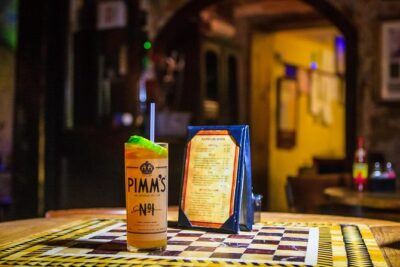
New Orleans Original Craft Cocktail Walking Tour
Read our review →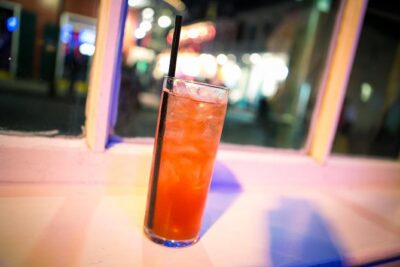
New Orleans Cocktail History Walking Tour in the French Quarter
Read our review →
French Quarter Small-Group Cocktail and Foodie Crawl
Read our review →
New Orleans Cooking Class and Cocktail Walking Tour
Read our review →This night out also appears in