
Review · BERLIN
Living in the Shadow of Berlin’s Nightlife – A City Tour
Berlin’s famous nightlife district looks very different when you walk it with someone who once slept there. On this two-hour Friedrichshain tour, Miriam connects places such as Ostbahnhof, Berghain, and the East Side Gallery with her experience of homelessness, migration, and finding safety in an unfamiliar city. I like the first-hand story and the way the tour creates room for real conversation. I also like that it moves beyond the usual Berlin photo stops to show what exists behind them.
This is not a classic sightseeing walk. You will not get a parade of grand monuments or a long list of dates. The subject matter can be heavy, and children under 14 are not permitted. For visitors who want a more personal view of Berlin, though, the $23 price is fair for two focused hours with an English-speaking guide.
Key points before you book
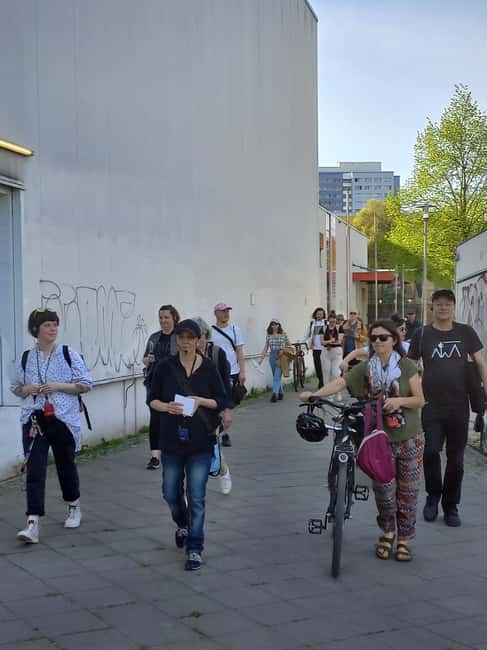
- Miriam’s personal route: Hear how Ostbahnhof became home after she fled a violent partner with very little luggage.
- Famous places, different meaning: Walk near Berghain and the East Side Gallery while learning about lives beyond Berlin’s party image.
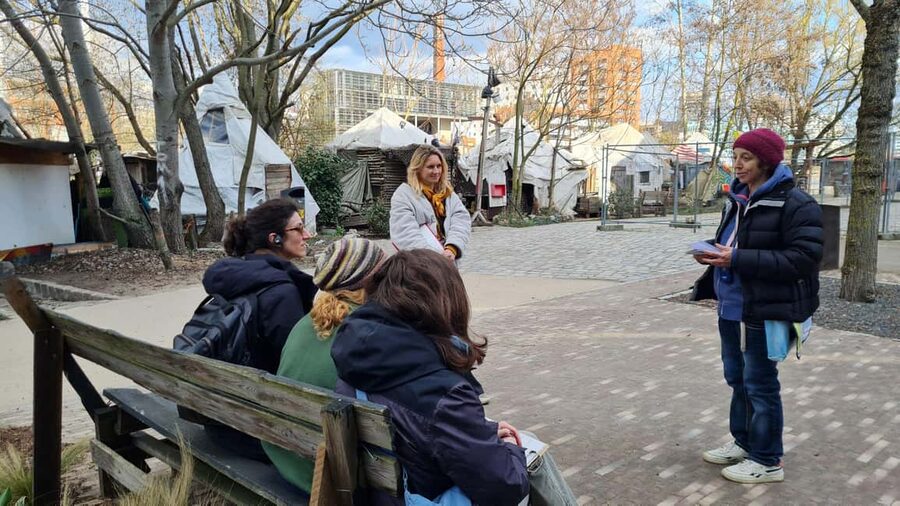
- Former sleeping places: See the types of spaces she used, including garages, underpasses, condemned buildings, and tent settlements.
- A serious, open conversation: The tour leaves space for questions and personal encounters rather than rushing from stop to stop.
- Small practical commitment: Plan for two hours, comfortable shoes, water, and clothing suited to the weather.
- An option for different needs: The tour is wheelchair accessible, and a private group can be booked.
Ostbahnhof, where a new life began
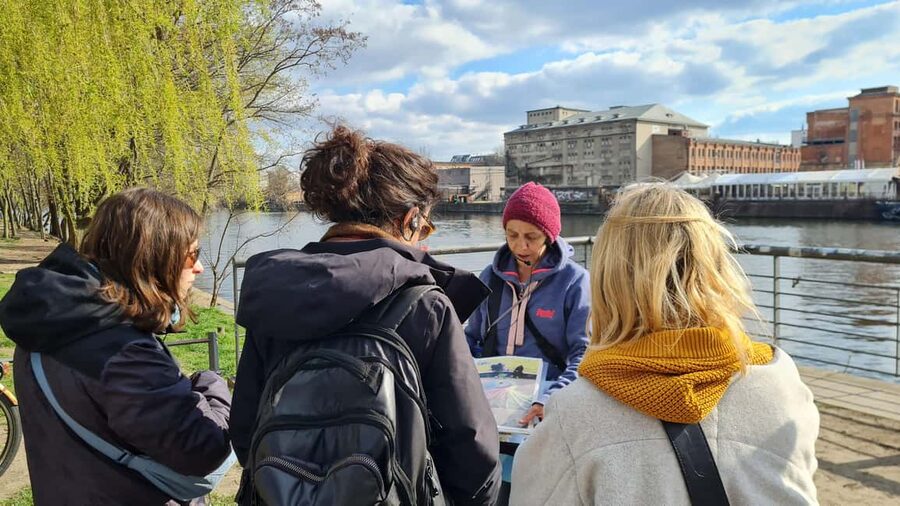
The tour begins in or near Berlin-Friedrichshain, with the exact meeting point depending on the option you book. Ostbahnhof is the key setting. For many people, it is simply a rail station and a gateway to clubs, murals, and the East Side Gallery. For Miriam, it was the place where she arrived in a strange city after fleeing a violent relationship.
That change in viewpoint is the heart of the experience. You are not only learning about homelessness as a broad social issue. You are hearing how one person faced it with no local contacts, no German language skills, and only the belongings she carried.
I appreciate that the story begins with a real place rather than an abstract lecture. Stations are built for movement. Miriam’s experience turns Ostbahnhof into a place of arrival, uncertainty, and survival. You may already know the area well, especially if you have visited the East Side Gallery or gone out nearby. This tour asks you to look again.
The opening section is likely to set the tone for the whole walk. Expect a personal account, but not a polished entertainment script. Miriam’s story involves violence, displacement, homelessness, and migration. You should come ready to listen with respect and to accept that some parts may feel uncomfortable.
More nights out across Germany:
- St. Pauli Nightlife Tour with Drag Queen in German
★ 4.8 · 733 reviews - Pub Crawl Cologne Including Admission Fee for Bars and Shots
★ 3.8 · 636 reviews - Hamburg: Pubcrawl & Nightlife Tour at St.Pauli
★ 4.9 · 351 reviews
Berghain and the nightlife next door
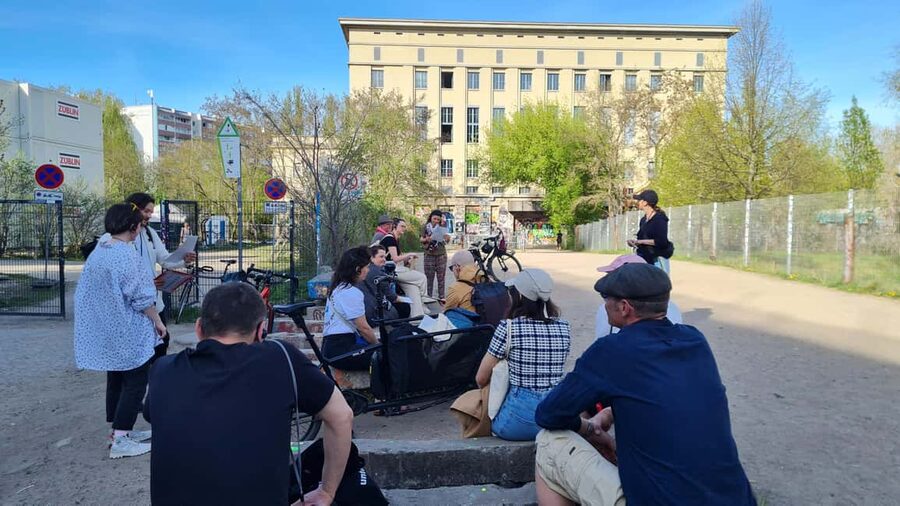
From Ostbahnhof, the walk connects with the famous club scene. Berghain represents Berlin nightlife to people around the world. The East Side Gallery draws visitors with its painted sections of the former Berlin Wall. These places are easy to photograph and easy to treat as symbols of freedom, creativity, and fun.
Miriam adds another layer. She lived close to clubs she had never entered. Near those nightlife venues, she collected returnable bottles. The contrast is sharp: inside, music and late nights; outside, a search for basic income and a safe place to sleep.
That comparison gives the walk its unusual power. You are not being told that nightlife is bad, nor that visitors should feel guilty for enjoying Berlin. Instead, you are asked to notice who shares the same streets and who benefits from the area’s popularity.
The tour does not turn club culture into the main subject. The clubs are reference points in Miriam’s biography. Their importance comes from what they reveal about proximity. A person can live in the shadow of a famous venue without sharing its comfort, money, or sense of security.
If your main goal is to see inside Berghain, learn its door policy, or spend the afternoon collecting Berlin Wall facts, choose another activity. If you want to understand how a place can feel entirely different depending on your circumstances, this section should stay with you.
Sleeping places that were never meant to be homes
Miriam takes you to places where she used to sleep, including garages, underpasses, condemned buildings, and tent settlements. The point is not to turn these locations into curiosities. It is to explain how a person weighs shelter, privacy, exposure, and danger when no normal housing is available.
One useful idea from the tour is that not all sleeping places are equally safe. A space that appears sheltered may leave you exposed to other risks. A place that protects you from rain may be isolated. A place near people may offer help, but also noise, conflict, or unwanted attention.
Miriam speaks specifically about what safety means in unsafe places. That is an important distinction. Safety is not simply the presence of walls. It can involve being seen or hidden, staying near other people or keeping away from them, and judging who might pass through during the night.
You should expect this part to be direct. The information provided does not promise a dramatic reveal at every stop, and the tour is not designed as a voyeuristic look at poverty. Its value comes from context. A garage or underpass means one thing to someone passing by and another to someone trying to sleep there.
The physical route also matters. Wear comfortable shoes, since this is a walking tour and the ground conditions may vary. Bring water, a hat in summer, and warm clothing in winter. Weather-appropriate clothing is not a minor detail when the subject is outdoor survival.
Alternative housing beyond Berlin’s luxury market
The tour also points out alternative housing projects that have developed away from luxury and capitalism. These projects matter because they offer another way to think about housing in a city where many people struggle to find space.
The supplied information does not give the names or exact structure of these projects, so you should not expect a technical housing seminar. Instead, Miriam uses them to show that Friedrichshain is not only a district of clubs, tourists, and expensive urban change. Other forms of shared or alternative living exist there too, even if they are easy to miss.
This part provides some balance to the darker sections. The tour is not only about what went wrong for Miriam. It also considers the groups and projects trying to create room for people outside the standard housing market.
I like that the route includes both personal experience and collective responses. Miriam’s story gives the tour a human center. The housing projects widen the view and show that homelessness and migration are not only individual problems. They are also tied to housing costs, public policy, and the question of who gets to remain in central Berlin.
Do not expect a broad survey of every social issue in the city. Two hours is enough for a focused story, not a full course in Berlin housing. The strength here is the connection between a few places and one person’s life.
Same city, a different round of bars:
- Munich: Bar and Club Crawl
★ 3.5 · 217 reviews - Berlin: Bar & Party Tour with Free Shots & VIP Club Access
★ 4.7 · 170 reviews - Berlin: Exclusive Bar-Hopping Tour with Signature Drinks
★ 4.8 · 63 reviews - Berlin: Alternative Pub Crawl, Bars, Beats & Insider Stories
★ 5.0 · 54 reviews
Conversation instead of a standard sightseeing script
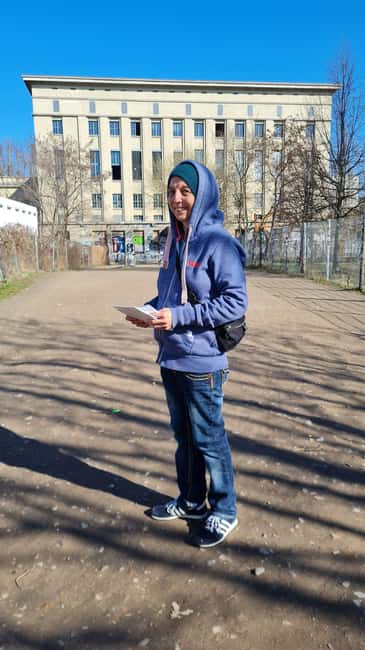
A conventional city tour moves quickly. You stop, hear a short explanation, take a photograph, and continue. This walk is built more around conversation. Miriam invites you to ask questions and consider what you are seeing from a less familiar point of view.
That format will suit you if you prefer discussion to a dense list of facts. It may not suit you if you want constant movement or a guide who delivers a rehearsed history lesson. The description promises personal and collective experiences, as well as space for personal encounters. In practice, that means the quality of the time may depend partly on how willing the group is to listen and engage.
The tour is offered in English. Miriam is the guide, and her own experience is the reason the walk cannot be easily replaced by a standard route through Friedrichshain. The two available comments are brief, but Daniel from Germany specifically described her as lovely and recommended the experience to people who live in Berlin as well as those visiting. Linda from Sweden gave it a simple top rating and called it great.
Those comments point to an important use for the tour: it is not only for first-time visitors. If you live in Berlin, you may already know the area’s nightlife and street art. Miriam can help you reconsider places you think you understand. If you are visiting, the walk can add a social and personal layer to a district you might otherwise see only as an entertainment zone.
Why the $23 price makes sense
At $23 per person, this is not the cheapest way to spend two hours in Berlin. You can walk through Friedrichshain on your own for nothing. You can also visit the East Side Gallery without paying for a guide.
The value lies elsewhere. You are paying for Miriam’s time, her first-hand account, and the chance to ask questions while moving through the places connected with her life. A self-guided walk can show you the same streets, but it cannot explain what it means to choose one sleeping place over another or to collect bottles beside clubs you never enter.
The price is especially reasonable if you treat the tour as a focused social history walk rather than a sightseeing checklist. You are not buying access to a major monument. You are buying context, conversation, and a personal connection to a part of Berlin that is usually presented through nightlife and tourism.
A private group is available if you want a more personal format. The standard experience may be a better value for solo visitors or couples who want to hear the story without arranging a separate program. Since the meeting point can change by booking option, check the exact location before setting out.
Free cancellation up to 24 hours in advance and reserve-now, pay-later booking make it easier to fit the tour into an uncertain schedule. Those policies do not change the content, but they reduce the risk of committing too early.
Who should book this walk
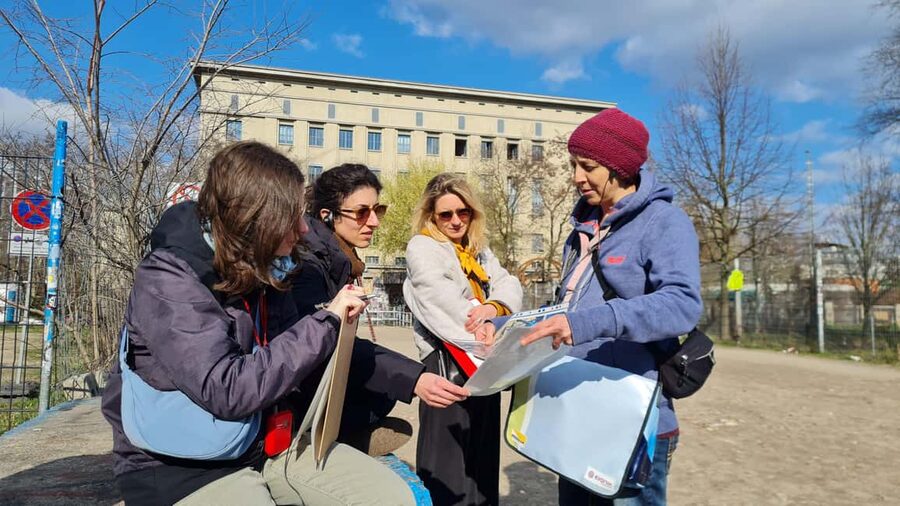
I would recommend this tour to adults and older teenagers who want to think about Berlin beyond its famous images. It suits you especially well if you are interested in migration, homelessness, housing, social change, or the gap between a city’s public image and daily life on its streets.
It is also a strong choice for repeat visitors. The East Side Gallery and the club district are familiar stops, but the story gives them a new purpose. Daniel’s recommendation to people living in Berlin is worth noting here. You do not need to be new to the city to gain something from the walk.
The experience may be less suitable if you want a light afternoon activity. The themes include domestic violence, homelessness, poverty, and personal danger. You should also skip it if your group includes a child under 14, since younger children are not permitted.
The tour is wheelchair accessible, which makes it a practical option for many visitors. Still, confirm the specific meeting point and route when booking, since the start location may vary. Everyone should wear comfortable shoes, carry water, and prepare for the season.
A thoughtful way to see familiar Berlin
I like this experience because it refuses to treat Friedrichshain as just a backdrop for nightlife. Berghain, Ostbahnhof, and the East Side Gallery remain important, but they become part of a larger story about who lives near these famous places and who gets pushed out of the city’s more comfortable spaces.
Miriam’s story gives the tour its strongest feature: direct experience. She does not speak about homelessness from a distance. She explains where she slept, how she judged danger, and what it meant to arrive without language, contacts, or a secure home.
The main drawback is also clear. This is a serious, personal walk, not a cheerful introduction to Berlin. Some people may find the subject matter difficult, and the two-hour format cannot answer every question about homelessness, migration, or housing.
Book it if you want a quiet shift in perspective and are prepared to listen. Skip it if you only want traditional sights, club gossip, or a relaxed photo walk. For $23, Miriam offers something a standard Friedrichshain tour cannot: a way to see the city through the life of someone who once had to survive in the very streets that visitors come to enjoy.
FAQ
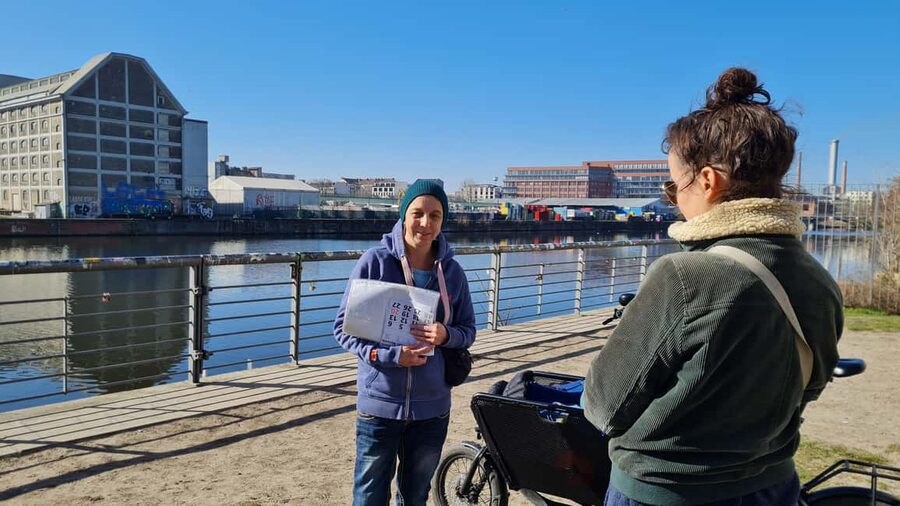
How long does the Living in the Shadow of Berlin’s Nightlife tour last?
The tour lasts two hours. Starting times depend on availability.
What language is the tour in?
The live tour guide speaks English.
Who leads the tour?
Miriam leads the walk and shares her personal experience of homelessness and migration in Berlin.
Is the tour wheelchair accessible?
Yes, the activity is wheelchair accessible.
Are children allowed to join?
Children under 14 are not permitted to take part.
What should I bring?
Bring comfortable shoes, water, and clothing suited to the weather. In summer, bring a hat and extra water. In winter, dress warmly.
Last orders added around Germany
- PRIVATE Munich Perfect Night Out Dining and Cocktail Tour – Customizable★ 5.0 · 2 reviews
- PRIVATE – Best Munich Cocktail Tour – all inclusive★ 5.0 · 16 reviews
- Private Tour: Hamburg St Pauli Nightlife District★ 3.5 · 3 reviews
- Ladies Night Party Tour in Hamburg including cocktail, sparkling wine and shots★ 4.0 · 4 reviews
- Throw axes & enjoy drinks in Cologne’s first axe-throwing bar★ 4.6 · 31 reviews
- The Crawl Co. – Kreuzberg Alternative Pub & Bar Experience★ 5.0 · 3 reviews
- Pubcrawl Augsburg: Tour through best Bars and Clubs in Town★ 4.4 · 13 reviews
- Nuremberg: Bar and Club Tour with Free Shots and Free Entry★ 3.8 · 23 reviews
Berlin Bar Crawls: the next round

Bar & Party Tour with Free Shots & VIP Club Access
Read our review →
Exclusive Bar-Hopping Tour with Signature Drinks
Read our review →
Alternative Pub Crawl, Bars, Beats & Insider Stories
Read our review →
Berlin’s Wild East: Nightlife & Counterculture Boat Tour
Read our review →
The Ultimate Berlin Golf Bar for Groups, Games & Good Times
Read our review →
The Crawl Co. – Kreuzberg Alternative Pub & Bar Experience
Read our review →This night out also appears in