
Review · OSAKA
Osaka: Deep Food Tour and Bar Hopping in Namba
Osaka’s famous eat-until-you-drop spirit makes most sense in Namba, where a short walk can take you from a bright shopping street to a tiny bar or a quiet temple lane. This tour keeps you moving through that mix, pairing local dishes with a photo stop at the Glico sign and a visit to Hozenji Temple.
I like the way the experience goes beyond the usual okonomiyaki and takoyaki. I also like that the guide can adjust the food choices, a real help for vegetarians and families. The main drawback is simple: the $48 price covers the guide, not your meals or drinks, so your final bill depends on how much you eat and drink.
Key points
- Namba after dark: Explore Osaka’s best-known food district through smaller streets and local stops.
- More than takoyaki: Depending on your preferences, you might try doteyaki, chiritori hotpot, and other regional dishes.
- Three food and bar stops: The schedule allows about 40 minutes at each food or bar stop, giving you time to eat rather than just sample.
- Hozenji Temple: Pause at this small temple in the middle of the commercial district, a sharp change of pace from Dotonbori.
- Flexible group style: Choose a private or small-group format, with English- and Japanese-speaking guides available.
- Food costs extra: The base price is for the guided experience. Select an expense-included option if you want food and drinks bundled.
Why Namba makes a good food-tour setting
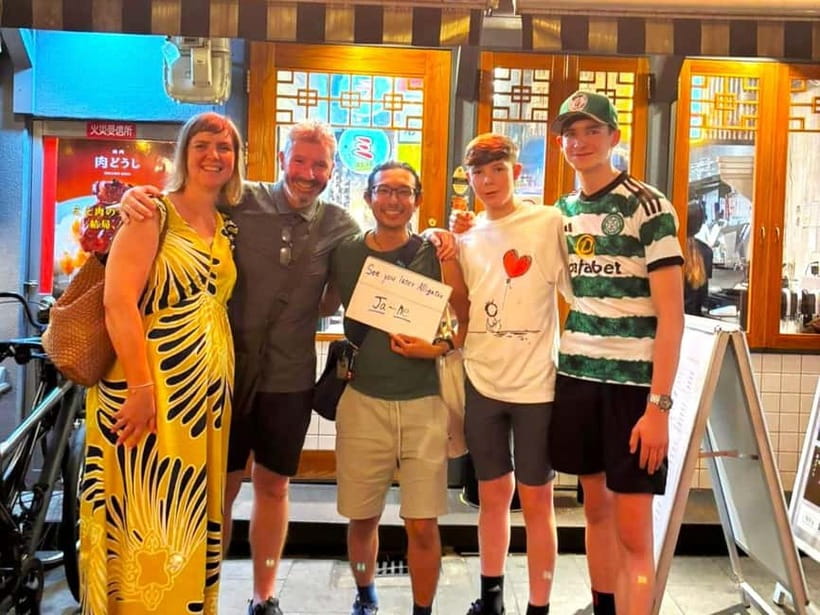
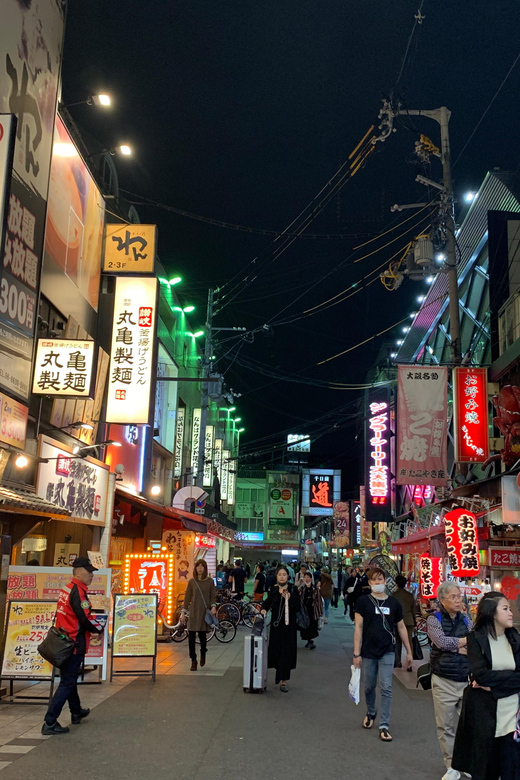
Namba gives you a concentrated look at Osaka’s eating culture. You are not being sent across the city from one famous restaurant to another. Instead, the experience stays in and around the area known for Dotonbori, shopping arcades, bars, and narrow side streets.
That matters because Osaka food is often about atmosphere as much as the dish itself. A plate of grilled food tastes different when you are eating in a compact local restaurant, followed by a short walk past glowing signs and crowded storefronts. The tour uses that setting well, with food, drinks, and short sightseeing stops tied together.
The route begins at one of two possible points near Osaka Shochikuza, the theater complex in the Dotonbori area. Your exact meeting point depends on the option you book, so check the confirmation carefully. You finish near the Dotonbori Glico sign, one of Osaka’s most recognizable symbols.
More Food and Drink Crawls in Japan
- Hiroshima Izakaya Food and Drink Night Tour
★ 5.0 · 297 reviews - Sapporo Bar Hopping Food Tour
★ 5.0 · 232 reviews - Tokyo: Shinjuku Food Tour Highlights (Best Eats)
★ 5.0 · 100 reviews
The Glico sign starts the evening
The first sightseeing stop is a photo break of about 10 minutes. The Glico sign is not a major historical attraction, but it is a useful marker for Dotonbori and a classic Osaka picture.
I see this stop as a practical opener rather than a full sightseeing visit. You can get the expected photo, take in the bright commercial setting, and then move on to the food. Since the tour ends near the same landmark, you can also use the area for more pictures or continue exploring after the guide leaves.
The short timing keeps the focus where it belongs. If you want a long photography session, this will feel brief. If you simply want the famous image without losing half an hour, 10 minutes is enough.
Your first local bar and the wider Osaka food menu
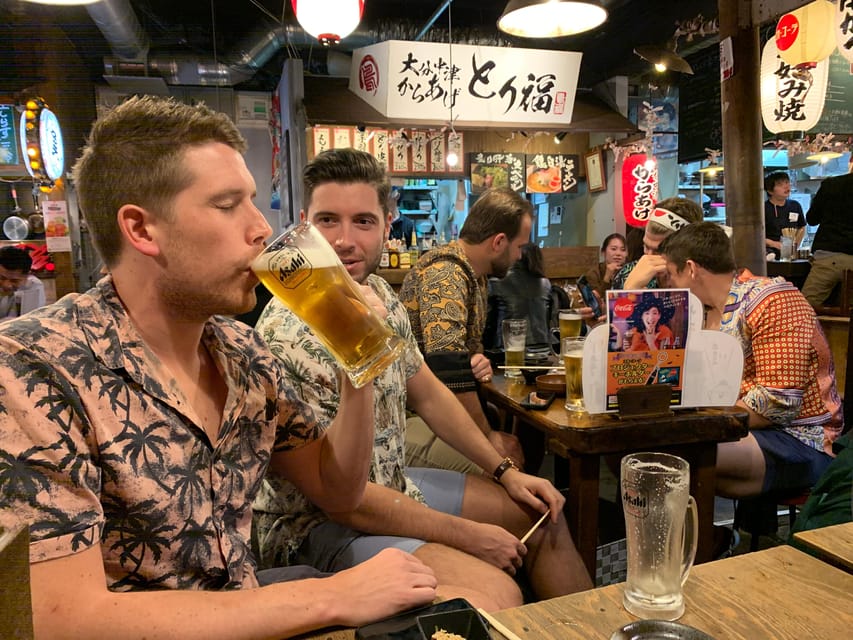
The first food stop lasts about 40 minutes at a local bar. The exact place can change because of seating, closing days, restaurant conditions, or your food preferences. That flexibility is useful in a district where popular places may not have room at a particular time.
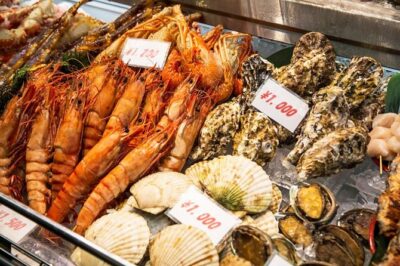
Osaka is often reduced to two foods: okonomiyaki and takoyaki. Both matter, but they are only the beginning. Okonomiyaki is a savory pancake cooked with fillings, while takoyaki are small batter balls usually filled with octopus. They are familiar Osaka choices, but this tour aims to show you more of the local menu.
You might encounter doteyaki, a slow-cooked dish commonly associated with Osaka, or chiritori hotpot, whose name refers to a dustpan-shaped pan. The point is not to force every dish onto every person. Your guide adjusts the choices to your preferences, which makes the experience more useful than a fixed menu for a mixed group.
A vegetarian traveler can benefit here. One booking included plenty of vegetarian options, so you should tell the guide about dietary needs before ordering and repeat them at each stop. The supplied information does not promise a specific vegetarian menu, but the food can be adjusted to preferences.
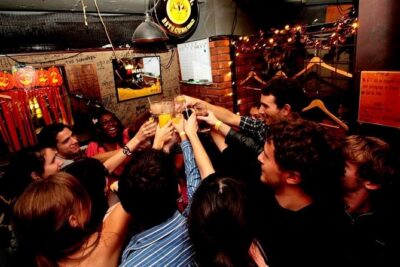
The bar setting may appeal to adults who want a local evening rather than a formal restaurant meal. Families can still take part, though the bar format may be less interesting for young children than the sightseeing and snack stops. A private booking gives you more room to shape the pace.
Hozenji Temple brings a quiet pause
After the first food stop, the tour includes about 20 minutes of sightseeing and a 10-minute walk to Hozenji Temple. The temple sits in the middle of a busy commercial area, which is exactly what makes it worth seeing.
You move from signs, shops, and restaurant traffic into a small religious site. The contrast helps you understand Namba as more than a dining district. Osaka’s city center can hold a temple, a bar, a shopping street, and a famous photo spot within a few minutes of one another.
The temple visit is short. You should think of it as a pause and a change of mood, not a guided temple tour with a long explanation of architecture or religious practice. The information provided does not promise a detailed historical lecture, so anyone seeking a full cultural tour will need a separate visit.
Still, I like the placement. Food tours can become a blur of plates and receipts. Hozenji gives your evening a small cultural anchor and breaks up the eating.
More Food and Drink Crawls in Osaka:
- Madrid Tapas & Wine Tasting Walking Tour – Small Group Local Bars
★ 5.0 · 3,644 reviews - French Quarter Small-Group Cocktail and Foodie Crawl
★ 5.0 · 519 reviews - Flamenco Show in Seville at Bar and Tapas
★ 4.5 · 276 reviews - DINOSAUR ADVENTURE CRUISE – With Beachside Tapas and Cocktails
★ 5.0 · 179 reviews
The second restaurant is where the food focus deepens
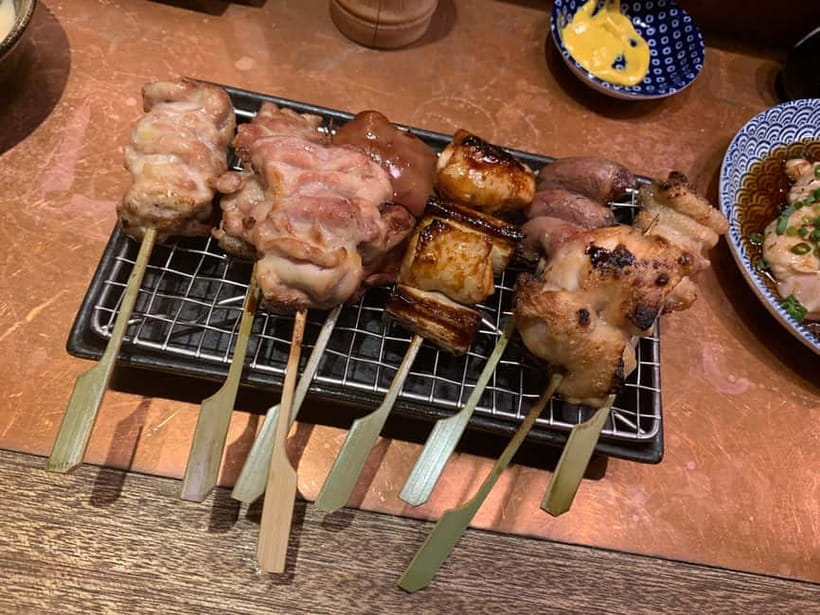
The next stop is a local restaurant with about 40 minutes set aside for regional food. This is likely the point where the range of Osaka cooking becomes clearer, especially if your first stop centered on familiar snacks.
The tour description emphasizes konamono, the flour-based dishes that Osaka treats as comfort food. The word covers much of the city’s beloved casual cooking, but it does not describe everything you will eat. By adding dishes such as doteyaki or chiritori hotpot, the guide can show you how Osaka food includes stewed, grilled, and shared dishes as well.
The 40-minute timing gives you more than a rushed taste. You can order, eat, ask questions, and decide how hungry you still are. That last part matters because another local bar follows. Pace yourself. Osaka’s motto may encourage excess, but three food stops can add up quickly.
The restaurant choice is not fixed. That can be a strength because the guide can respond to closures, seating problems, and preferences. It also means you cannot plan the evening around a particular restaurant or guaranteed dish. If one specific specialty is your priority, tell the guide early and understand that availability may still control the final choice.
The final bar keeps the evening flexible
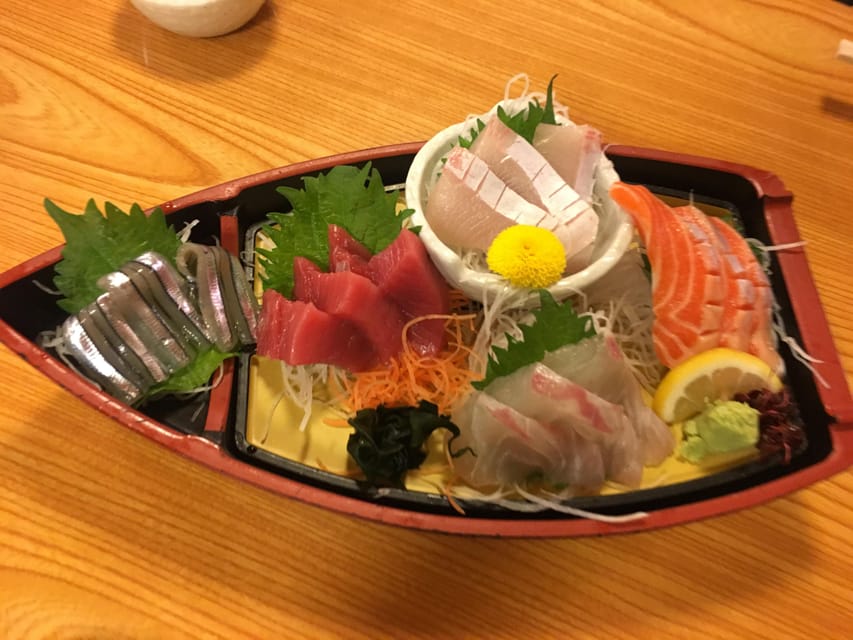
The last stop is another local bar, with about 40 minutes for regional food. By this point, you will have had time to compare different styles of Osaka eating rather than simply check off one famous snack.
For some people, this final stop will be the highlight. You can finish with another local dish, continue talking with the guide, and enjoy a more relaxed end to the night. For others, three food stops may be too much, especially if you are not used to Japanese portions or shared dishes.
The schedule is best for people who want a food-focused evening and are comfortable deciding what to order as they go. It is less suitable for anyone who wants a carefully controlled dinner with a set menu, fixed restaurant names, and a predictable total cost.
You finish at the Glico sign area. That makes the ending convenient if you want to keep exploring Dotonbori, return to your hotel, or stop for another drink on your own. The tour does not include transportation, so plan to walk from the final point or arrange your own onward travel.
What the $48 price really covers
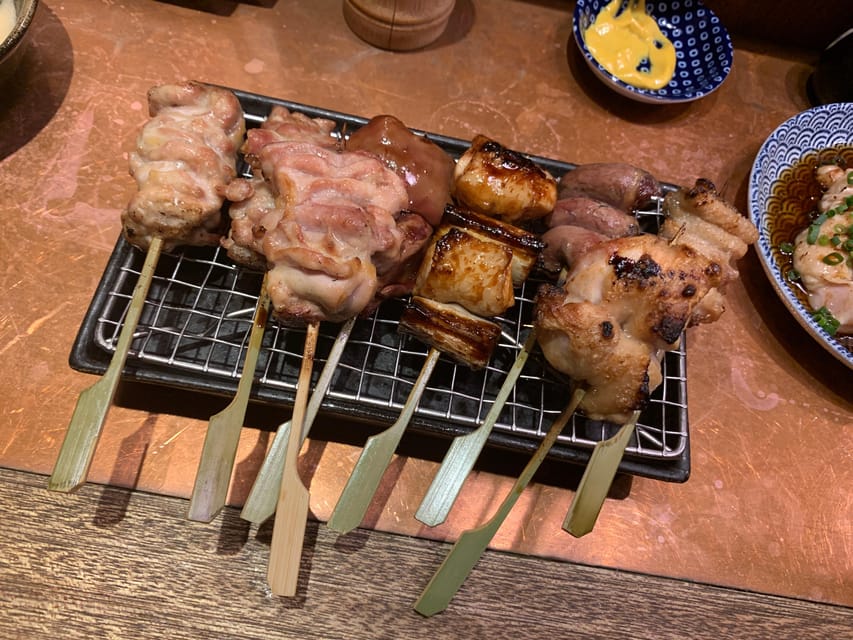
At $48 per person, the base price is reasonable for a two to three-hour guided walk through one of Osaka’s most useful food districts. You are paying for local guidance, translation help, route planning, and access to a small-group or private format.
You are not paying for dinner. Food and drinks are separate unless you choose the private or expense-included group option when booking. This distinction is important. A food tour can look inexpensive at first, then cost more once you order several dishes and drinks at three stops.
I would budget beyond the advertised price, but I would not call the extra spending a flaw. The separate-payment format lets you control what you eat and drink. It can also work well for a group with different appetites. The downside is less certainty, especially if you prefer to know the full cost before the evening begins.
The value improves if you care about local orientation. A guide can help you move through the busy Namba area, explain unfamiliar dishes, and adjust the plan when a restaurant is full. If you already know Dotonbori well and only want cheap snacks, you may get better value by eating independently.
Private groups, families, and food preferences
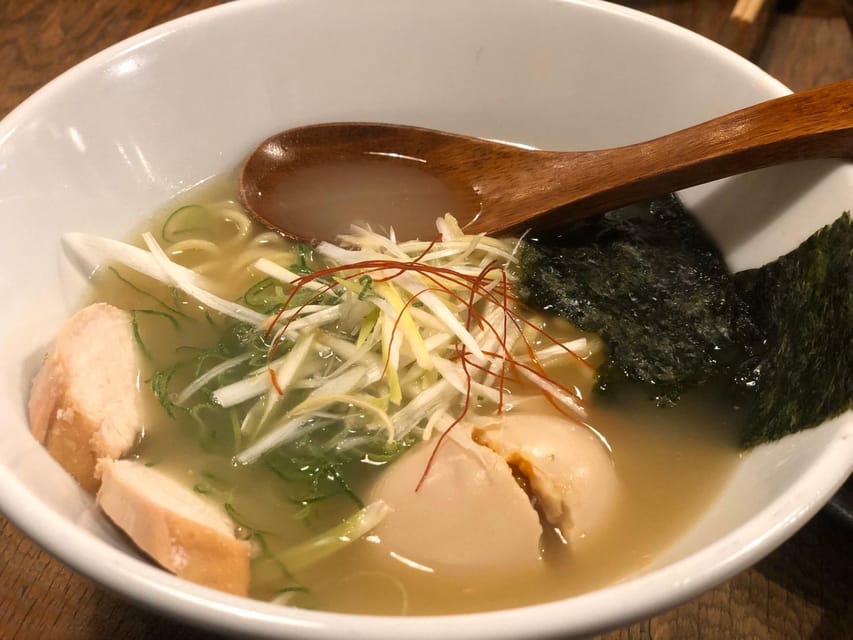
The experience is available as a private tour or in a small group. That choice changes the feel more than the route. A private tour lets the guide tailor the evening to your party, including your preferred foods and the needs of children.
A booking with a 10-year-old daughter was adapted to suit the family, and the group discovered several new types of food. That makes this more than an adults-only bar crawl. Still, the presence of bars means parents should decide if the setting fits their child. The activity details do not promise a child-specific menu or entertainment.
Vegetarians also have a good reason to consider the tour. One booking was able to find plenty of vegetarian choices. You should state your needs clearly before the tour starts, but the guide’s ability to adjust dishes is a practical advantage over a fixed tasting menu.
The tour is offered in English and Japanese. You do not need to speak Japanese to book the English option, but check the language selected at booking so the arrangement is clear.
Timing, walking, and the right expectations
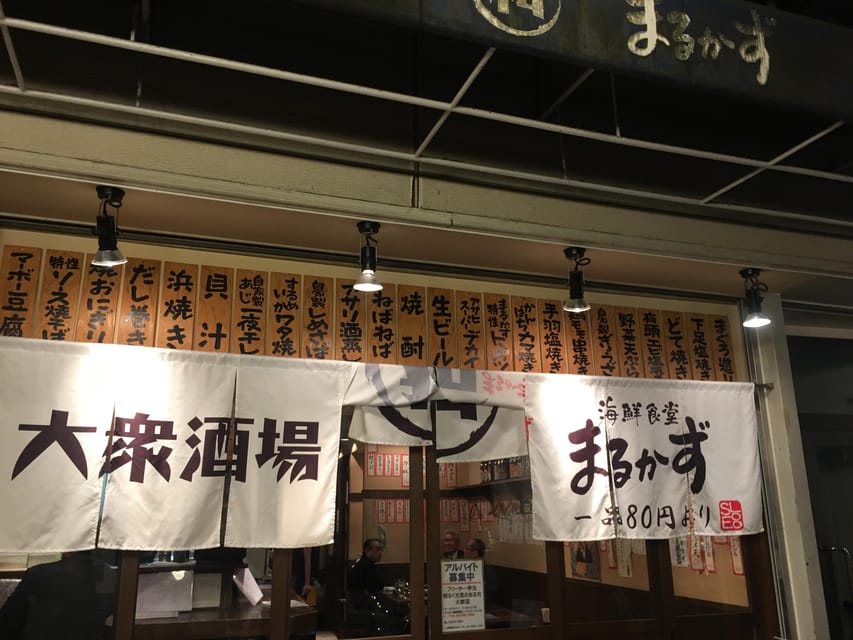
The advertised duration is two to three hours. The stops account for most of that time: a 10-minute photo stop, roughly 40 minutes at the first bar, about 20 minutes of sightseeing, a 10-minute walk to Hozenji Temple, and about 40 minutes each at the restaurant and final bar.
You should expect regular walking between stops, though the supplied details do not give a total distance. Wear shoes you can use comfortably on city streets and leave room in your schedule for the meal stops. The route stays in the Namba area, so the experience is more about short walks between places than a long-distance city tour.
The exact restaurants may change because of seat availability, closing days, guest preferences, and other conditions. Go in expecting a guided food route, not a guaranteed list of named businesses. That approach gives the guide room to make practical changes, but it removes some certainty.
The tour has free cancellation up to 24 hours before the start for a full refund. You can also reserve and pay later, which helps if your Osaka plans are still shifting. Starting times vary, so check availability for your date.
Who should book this Namba food walk
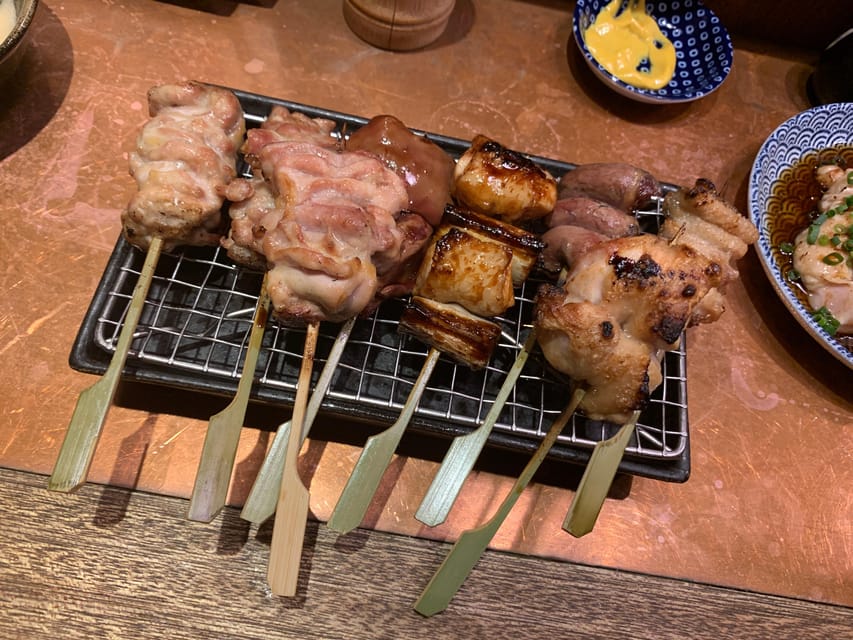
I would choose this experience if you want a first taste of Osaka food without spending your whole evening planning restaurants. It suits solo visitors, couples, families with older children, and small groups that want a guide rather than a formal cooking lesson.
It is especially useful early in an Osaka stay. You can learn which dishes interest you, get your bearings in Namba, and return later for more independent eating. The Glico sign and Hozenji Temple also give the evening enough sightseeing to avoid feeling like a meal with no sense of place.
I would hesitate if you dislike shared dishes, bars, or changing restaurant plans. I would also think twice if you need the food and drinks included in the headline price. In that case, select the expense-included option or choose a fixed-menu food experience instead.
Should you book this Osaka food tour?
Book it if you want local food variety, a flexible guide, and a compact Namba route. The strongest features are the range beyond okonomiyaki and takoyaki, the ability to adjust food choices, and the mix of eating with Hozenji Temple and Dotonbori sightseeing.
Before booking, remember that $48 is the guide price, not the full evening cost. Tell the guide about vegetarian needs or family preferences, choose the right language and group format, and expect the restaurant names to change. If those conditions suit you, this is a practical way to spend a hungry evening in Osaka.
FAQ
Where does the tour take place?
The experience takes place in Namba, within Osaka’s busy shopping and food district around Dotonbori.
How long does the tour last?
The tour lasts about two to three hours.
What is included in the price?
The base activity includes an English-speaking guide. The experience may also be available with a Japanese-speaking guide, depending on the option selected.
Are food and drinks included?
No. Food and drinks are not included in the base price. You can select a private tour or expense-included group option if you want those costs bundled.
What foods might I try?
Possible local dishes include okonomiyaki, takoyaki, doteyaki, chiritori hotpot, and other regional foods. The exact dishes depend on restaurant availability and your preferences.
Can the food be adjusted for vegetarians?
Food choices can be adjusted to your preferences, and vegetarian options may be available. Tell the guide about your requirements before ordering.
Is the tour private or shared?
Private and small-group options are available.
Where does the tour finish?
The tour finishes at one of the listed Dotonbori Glico sign locations.
Can I cancel for a refund?
Yes. You can cancel up to 24 hours in advance for a full refund.
Can I reserve now and pay later?
Yes. A reserve-now, pay-later option is available.
Last orders added around Osaka
- Osaka: Unforgettable Bar Hopping in Kyobashi!★ 5.0 · 4 reviews
- 3.5h Osaka Night guided Local Bar Hopping, Sake & Karaoke★ 5.0 · 27 reviews
- Osaka Umeda:PICCADILLY LIVE SHOW & NIGHTCLUB TICKET & Shisha★ 4.7 · 10 reviews
- Osaka Dotonbori:GIRAFFE Nightclub Ticket with Drink/VIP Plan★ 4.4 · 14 reviews
- Osaka Bar Hopping | Explore Hidden Bars & Izakayas in Namba★ 4.7 · 18 reviews
- Bar hopping: Create lasting memories with TOMODACHI guides!★ 5.0 · 4 reviews
- Osaka Umeda: PICCADILLY DINNER SHOW & NIGHTCLUB with Tasting★ 4.8 · 49 reviews
- Osaka: PICCADILLY PREMIUM DINNER SHOW&NIGHTCLUB with Tasting★ 5.0 · 26 reviews
Osaka Bar Crawls: the next round
2-Hour Nightlife District Walking & Local Food Culture
Read our review →
Osaka Local Bar Crawl in Dotombori & Uranamba Area
Read our review →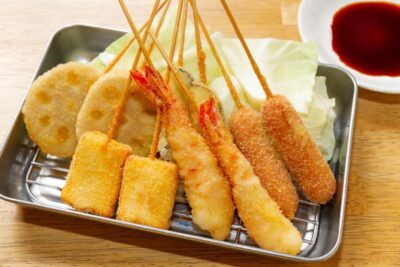
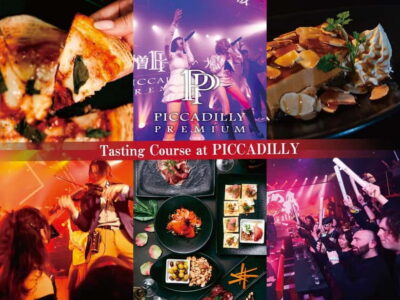
Osaka Umeda: PICCADILLY DINNER SHOW & NIGHTCLUB with Tasting
Read our review →
3.5h Osaka Night guided Local Bar Hopping, Sake & Karaoke
Read our review →This night out also appears in