
Review · COLOMBIA
Medellin Pablo Escobar Tour
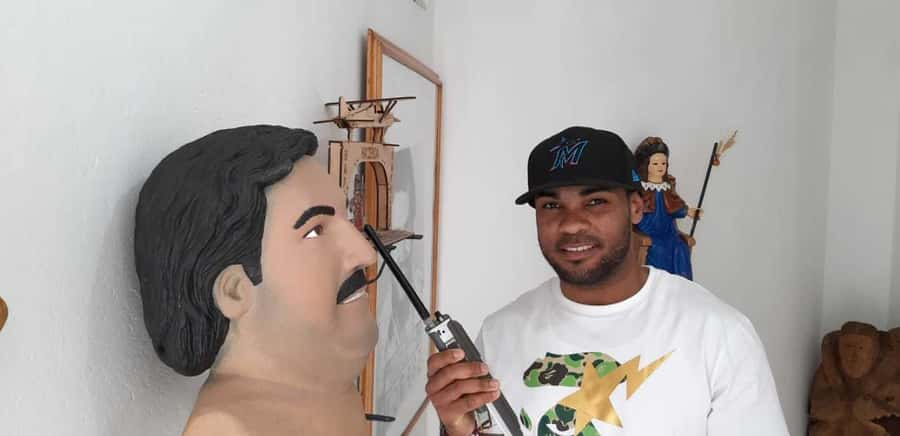
Pablo Escobar’s story is impossible to separate from Medellín’s recent past. This private four-hour tour takes you to the building where he lived, the Los Olivos house where he was killed in 1993, and his grave beside Griselda Blanco, the so-called Black Widow. The final stop, Comuna 13, shifts the focus from cartel violence to the city’s hard-won renewal.
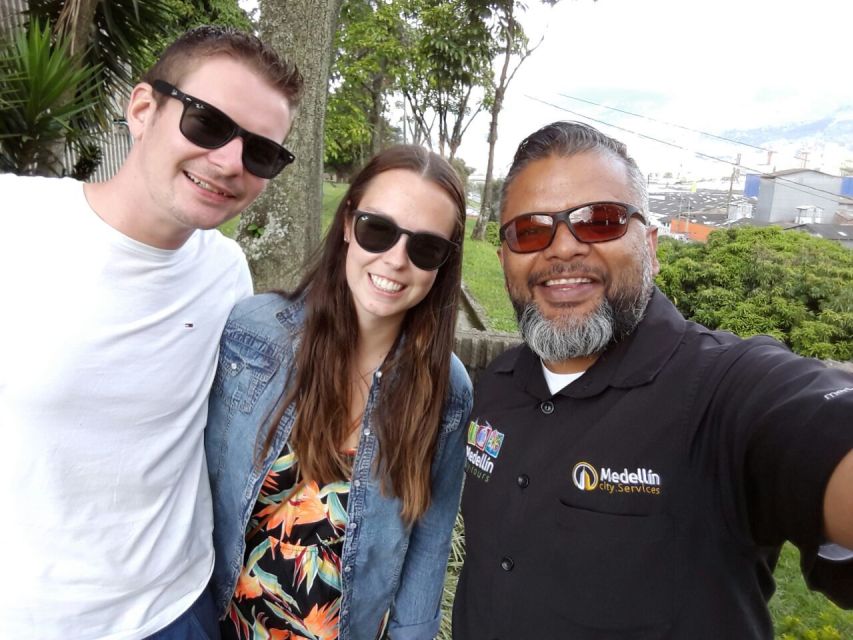
I like the private car and small-group format, which gives you room to ask direct questions and avoid being hurried through sensitive places. I also like the guides’ local perspective: Daniel is praised for connecting Escobar’s story to Medellín today, while former police officer Carlos has offered personal insight into the city’s worst years. The main drawback is that four hours is tight, so some stops receive only a short visit.
Key points to know before booking
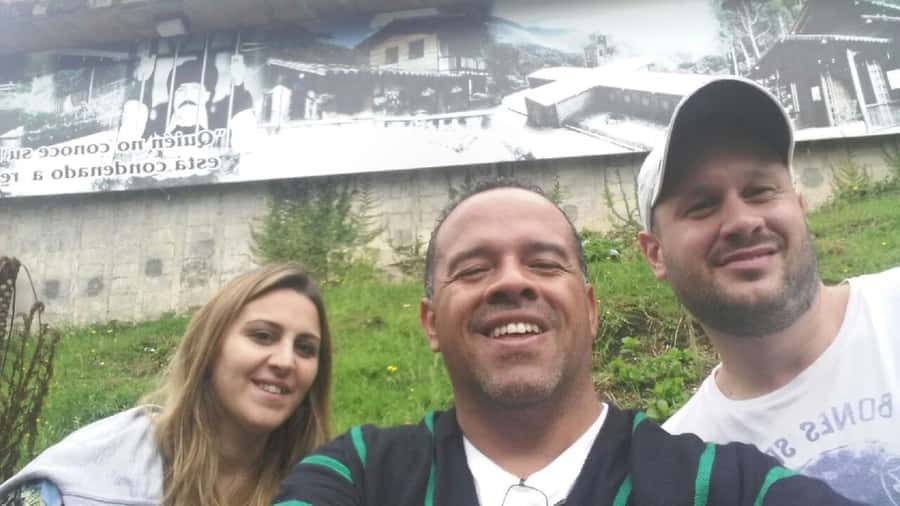
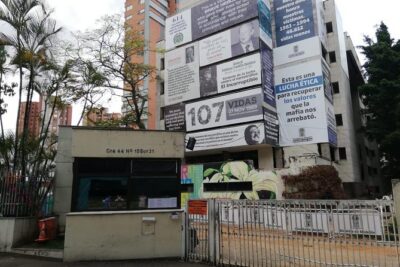
- Edificio Mónaco: See the former home linked to Escobar and the Cali cartel bomb attack intended to kill him.
- Los Olivos neighborhood: Visit the house where Escobar was shot dead in December 1993.
- Montesacro Cemetery: Pay respects at Escobar’s grave beside Griselda Blanco’s.
- Comuna 13: Add a modern Medellín story of survival, change, shopping, and local life.
- Private bilingual service: Travel by air-conditioned car with hotel or apartment pickup.
- Good value at $55: Transportation, guide service, and travel insurance are included, with no lunch or extra drinks.
A tour about Medellín, not just Pablo Escobar
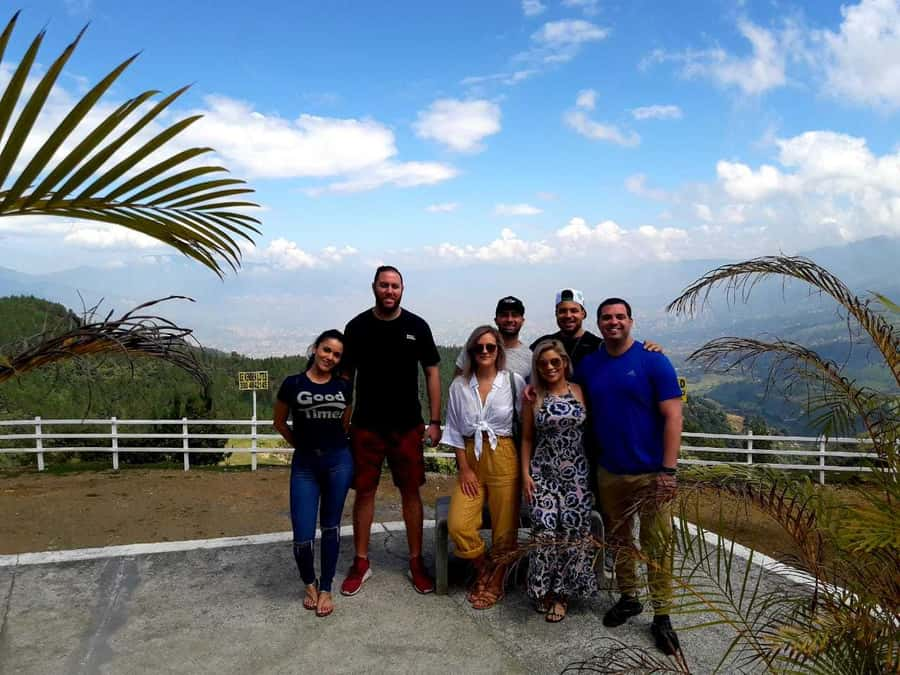
The name Pablo Escobar draws people in, but the best reason to take this tour is to understand what his power did to Medellín and how the city moved beyond it. Escobar was not merely a wealthy criminal. He entered politics, was once listed by Forbes as the seventh-richest person in the world, and offered to pay Colombia’s national debt of $26 billion in exchange for immunity.
His cocaine operation helped fuel murder, bombings, police killings, and a war between rival cartels. At the same time, he built a public image as a benefactor in poor communities. A responsible tour has to hold both facts together without turning him into a folk hero. The guides connected with this experience make that distinction clear.
I especially value the way the tour links past and present. You are not simply driven from one Escobar address to another for dramatic photographs. You are also shown how Medellín has changed since his death in 1993, with Comuna 13 providing a useful contrast to the violent years.
The private format matters here. In a large group, difficult questions can get lost, and a guide may stick to a fixed script. With a private bilingual guide, you can ask about the cartel wars, police work, politics, local memory, or the city’s current identity. Several guides have been singled out for their personal connection to Medellín, including Carlos, who worked as a police officer during the bad years, and Daniel, who is praised for giving wider context beyond Escobar himself.
More bar nights worth staying up for in Medellin:
- Medellín: The Real Pablo Escobar Tour
★ 4.8 · 3,205 reviews - Medellín: Pablo Escobar Tour with beer included
★ 4.7 · 612 reviews - Medellín: Private Pablo Escobar Tour with Cable Car Ride
★ 4.8 · 228 reviews
Starting with hotel pickup in Medellín
Pickup is included from your hotel or apartment in Medellín. The stated meeting point is Cra. 48 #5510, and the tour returns there after the final stop. Since transportation between locations is provided in a private air-conditioned car, you do not need to organize separate taxis or work out the route yourself.
That is a practical advantage in Medellín. The stops are spread across different parts of the city, and the drive between them gives your guide time to explain what you are seeing. One former police officer who has led the tour was also praised for making the history clear in English and adding humor without making light of the violence.
The tour is offered in English and Spanish. If you want detailed explanations, say your preferred language when booking. The private group setup also makes it easier to travel at a comfortable pace, though the schedule still has several stops packed into four hours.
Wear comfortable shoes. You will not be on foot all day, but each stop includes some walking, standing, or time outside. Wheelchair access is listed as available, though it is sensible to confirm the exact vehicle and site arrangements before booking if you need specific assistance.
Edificio Mónaco and the bomb attack
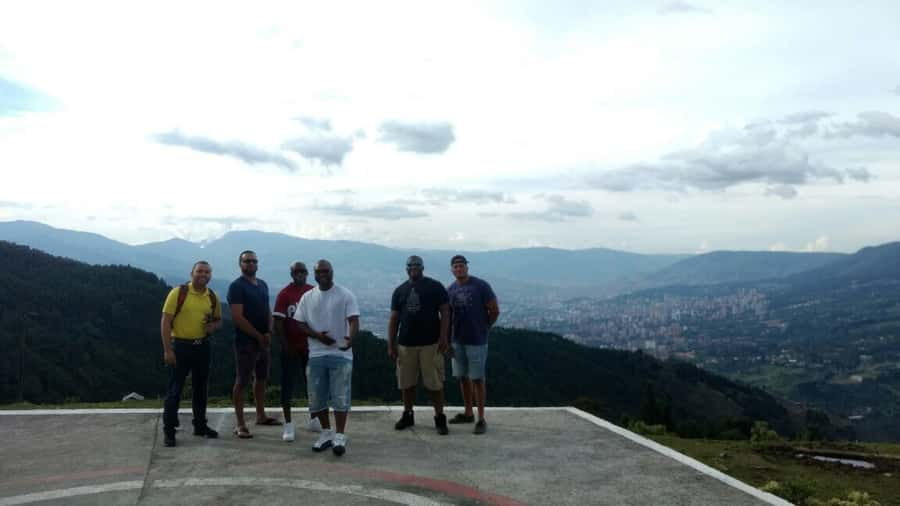
The first major stop is Edificio Mónaco, the building associated with Escobar’s home life and wealth. You have about 20 minutes here for a guided visit, photographs, and a little free time.
The important story is not simply that Escobar lived in an expensive building. Edificio Mónaco was also the site of a bomb attack by the rival Cali cartel. The blast was meant to kill Escobar and showed how the cartel conflict had moved into residential areas and the daily life of Medellín.
This stop helps explain the scale of the conflict. The drug wars were not an abstract struggle between distant criminal organizations. They reached homes, streets, police stations, and public places. Your guide can place the building within the wider rivalry between the Medellín and Cali cartels.
You should expect a fairly short visit rather than a long museum-style presentation. The value comes from the location and the explanation around it. Take the time to ask questions, especially if you want to understand how the bombing affected the city or how Escobar’s wealth shaped his public image.
Los Olivos and the final moments of Escobar’s life
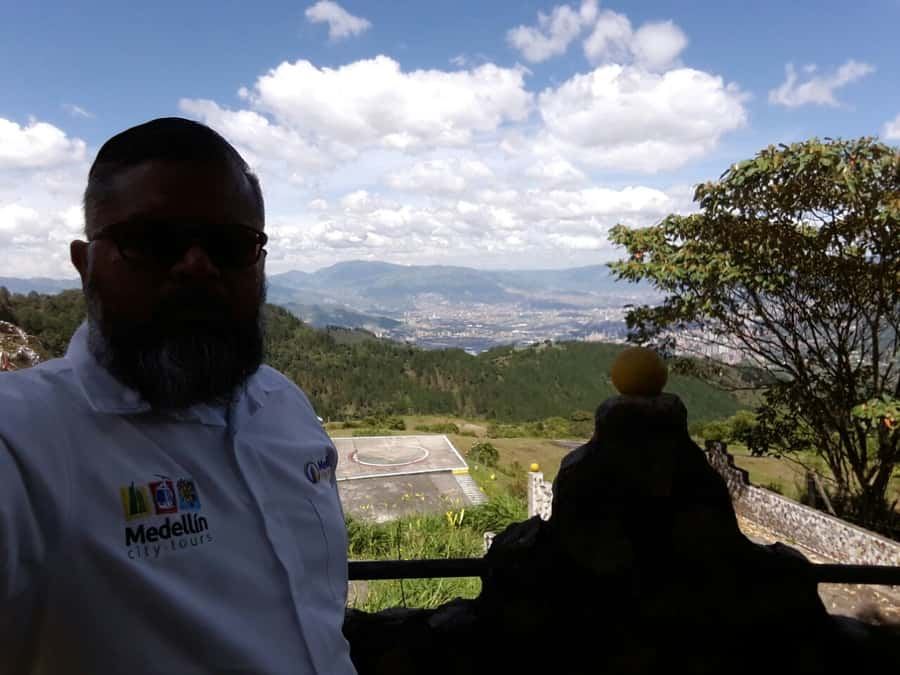
The next stop is the Los Olivos neighborhood, where you visit the house associated with Escobar’s death. The tour presents this as the place where he was shot after a police pursuit in December 1993.
You receive about 20 minutes for the visit and guided explanation. The short stop works best if you focus on the sequence of events and the meaning of the location, rather than expecting a preserved interior or formal exhibit. The experience is about standing at a real place tied to a major turning point in Colombian history.
Escobar’s death did not end every problem facing Medellín, but it marked the close of one especially brutal chapter. The city still had difficult work ahead, yet the collapse of his personal control changed the balance of power.
This is also a good point to listen for the guide’s tone. The strongest guides do not present Escobar as a glamorous outlaw. They explain how his money, political ambitions, and violence affected ordinary people. Carlos’s background as a former police officer is particularly useful here, while Daniel has been praised for connecting the old story to Medellín’s current identity.
Same city, a different round of bars:
- Pablo Escobar Tour And Comuna 13
★ 5.0 · 72 reviews - Medellín: Pablo Escobar Tour with Guide and Transportation
★ 4.1 · 71 reviews - Nightlife Medellin, Rooftops, bars and Clubs
★ 4.5 · 69 reviews - Pablo Escobar tour
★ 5.0 · 56 reviews
Montesacro Cemetery and the grave beside Griselda Blanco
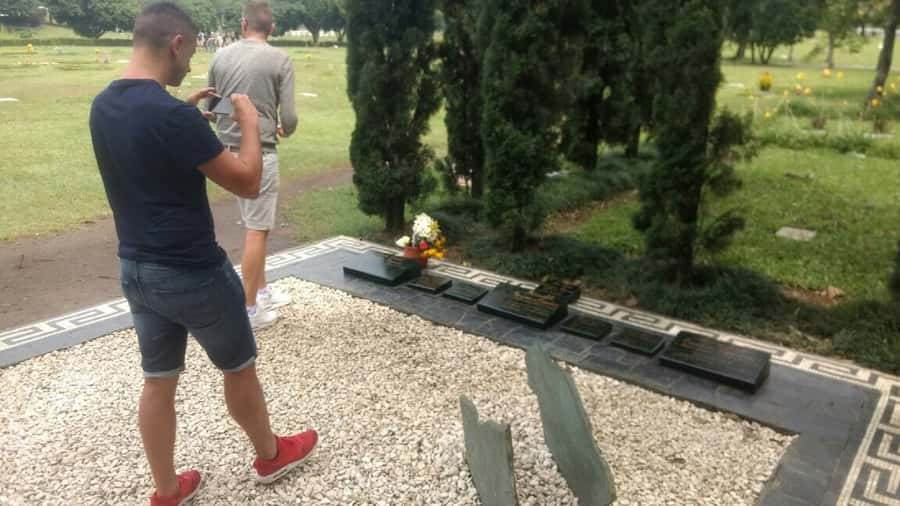
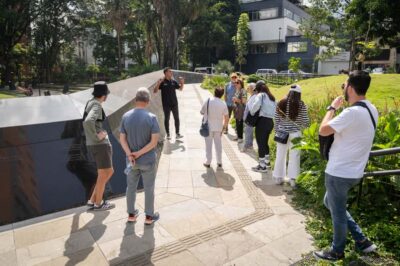
At Montesacro Cemetery, you have around 30 minutes for a guided visit, photographs, and reflection. Escobar is buried here beside Griselda Blanco, the drug lord known as the Black Widow.
The cemetery stop adds a human scale to a story often told through money, weapons, and power. A grave is a final, quiet place, but the names connected to it carry enormous weight in Colombia’s modern past. Seeing Escobar’s grave beside Blanco’s also underlines how many major criminal figures were tied to the same era of drug trafficking and violence.
You may find this stop more thought-provoking than the earlier buildings. There is no spectacle to distract you. Instead, you are left with the contrast between the immense power these figures once held and the modest finality of a cemetery plot.
Be respectful with photographs and with other people at the cemetery. The tour allows photo stops, but this is still a functioning burial ground, not a movie set. If you are uncomfortable with the darker side of crime tourism, this is the moment to consider how the subject feels in person.
Comuna 13 changes the direction of the day
The last major stop is Comuna 13, with about 40 minutes for guided sightseeing, photographs, free time, and shopping. This is an important choice of final stop because it gives the tour a forward-looking ending.
Comuna 13 is closely linked to Medellín’s story of hardship and recovery. After spending much of the day hearing about cartel violence, you see a neighborhood associated with creativity, community life, and change. The tour does not erase the past, but it prevents the city from being reduced to Pablo Escobar.
You have time to walk around, see local sights, and browse for purchases. Since the stop is short, you will get an introduction rather than an exhaustive visit. If Comuna 13 is a main reason for your trip, you may want to return independently with more time. One guide, Carlos, has offered visitors suggestions for visiting the area on their own, which can be useful if you want a slower look later.
I like ending here because it asks you to compare two images of Medellín. One is the city associated with cartel warfare in the 1980s and early 1990s. The other is a city that has worked to rebuild its reputation and give residents more opportunity. The contrast is the point.
What the guide adds to the experience
Guide quality is the biggest variable in a history tour. The strongest names connected with this experience are Daniel, Julio, Carlos, Edgar, and Johann.
Daniel has been praised for his local knowledge, friendly manner, and ability to explain Medellín beyond the Escobar story. His personal connections have sometimes opened access to places associated with Escobar, including a cathedral or monastery linked to the drug lord. That kind of access may not be guaranteed, so treat it as a possible bonus rather than a promised stop.
Julio César has been described as both a strong driver and an effective guide. That combination matters because you spend part of the tour in the car, listening to the story while moving between sites. Carlos brings a particularly unusual perspective because he worked as a police officer during Medellín’s violent years and has lived in the United States, making his English easy to follow.
Edgar has been praised for taking good care of the group and speaking excellent English. Johann is a local guide who has been noted for his understanding of Medellín’s history. Guides can vary by date, so you may not receive a particular person, but the tour’s local and bilingual setup is a real advantage.
Is $55 a fair price?
At $55 per person, this is a solid value if you want private transportation and a guide who can explain the historical context. The price includes hotel or apartment pickup, an air-conditioned private car, a bilingual driver, and travel insurance.
A shared tour might cost less, but you would likely lose the ability to ask as many questions or adjust the conversation to your interests. A private car also saves you from arranging several rides across the city. For a four-hour experience, the cost is reasonable, particularly for couples, families, or small groups who can share the private format.
Lunch and extra drinks are not included. The schedule is only four hours, so you may not need a full meal during the tour, but bring water or budget for drinks. The exact balance between driving and visiting depends on traffic and the time spent at each site.
The main limitation is not the price. It is the amount of time. Edificio Mónaco and Los Olivos receive about 20 minutes each, the cemetery about 30 minutes, and Comuna 13 about 40 minutes. The remaining time covers pickup, driving, and explanations in the car. You are getting a focused overview, not a full-day study of Medellín.
Who should book this tour?
This tour suits you if you want the Escobar story placed inside Colombia’s wider history. It is especially useful for first-time visitors who want hotel pickup, a private vehicle, and a guide who can explain how Medellín changed after 1993.
It also suits families with older teenagers, couples, and small private groups. The private format lets you control the conversation, and past guides have handled the subject with humor and care. If you are interested in policing, politics, or the social effects of the cartel wars, tell your guide early so the discussion can go beyond the most familiar Escobar stories.
You may want to skip it if you are looking only for a light sightseeing outing. The subject includes murder, terror, drug trafficking, and the painful memories of local people. You should also avoid treating the tour as a hunt for glamorous criminal memorabilia. Its value comes from understanding the damage caused by Escobar and the resilience of Medellín’s residents.
The activity includes free cancellation up to 24 hours before departure and lets you reserve without paying immediately. Alcohol and drugs are not allowed. Those are simple rules, but they fit the serious nature of the subject.
Should you book the Medellín Pablo Escobar Tour?
I would book it if you want a compact, private introduction to Medellín’s cartel era and its recovery. The former home, death site, cemetery, and Comuna 13 create a clear four-part story, while the car rides give your guide time to connect the stops.
The best reason to choose this tour is the chance to hear the history from a local bilingual guide, especially if you are paired with someone like Daniel, Julio, or Carlos. The main caution is time: you will see several important places quickly, and Comuna 13 deserves a longer visit if it interests you.
Book it for context, not celebrity worship. If you leave understanding less about Pablo Escobar as a legend and more about Medellín as a city that survived him, the four hours have been well spent.
FAQ
How long does the Medellín Pablo Escobar Tour last?
The tour lasts four hours, including pickup, transportation between locations, guided visits, and the return to the stated meeting point.
What places does the tour visit?
The route includes Edificio Mónaco, the Los Olivos neighborhood, Montesacro Cemetery, and Comuna 13.
Can I visit Pablo Escobar’s grave?
Yes. The tour visits Escobar’s grave at Montesacro Cemetery, where he is buried beside Griselda Blanco.
Is hotel pickup included?
Yes. Pickup from your hotel or apartment in Medellín is included. The stated pickup and return point is Cra. 48 #5510.
Is the tour private?
Yes. This is a private-group tour using an air-conditioned private car.
What languages are available?
The tour is offered in English and Spanish, with a live bilingual guide or driver.
Are meals included?
No. Lunch and extra drinks are not included in the price.
Can I cancel the booking?
Yes. You can cancel up to 24 hours in advance for a full refund. You can also reserve now and pay later.
Last orders added around Medellin
- History of Pablo Escobar tour★ 5.0 · 35 reviews
- Nightlife Medellin, Rooftops, bars and Clubs★ 4.5 · 69 reviews
- Pablo Escobar tour★ 5.0 · 56 reviews
- Pablo Escobar tour and comuna 13★ 5.0 · 38 reviews
- Pablo Escobar Tour And Comuna 13★ 5.0 · 72 reviews
- Pablo Escobar Tour – Private and affordable TOUR – The New Colombia★ 4.5 · 32 reviews
- Private City Tour Combined with Pablo Escobar Tour★ 5.0 · 44 reviews
- Pablo Escobar Tour in Medellin Private★ 5.0 · 47 reviews
Colombia Bar Crawls: the next round
Pablo Escobar Tour with Guide and Transportation
Read our review →


Party Crawl: 6 Nightclubs, DiscoTruck, AfterParty, 1h Openbar pub
Read our review →
Full Day Private Pablo Escobar Tour including Guatape
Read our review →This night out also appears in