
Review · OSAKA
Osaka: 2-Hour Nightlife District Walking & Local Food Culture
Osaka’s food culture comes into focus on this compact walk through Dotonbori and Namba, where neon signs, old lanes, kitchen shops, and market stalls sit close together. I like that you see more than a famous photo stop: the route includes Hozenji Temple, Doguyasuji’s professional cooking tools, and Kuromon Market. I also like the chance to ask your guide for restaurant ideas that fit your stay.
The main catch is that food is not included, and the tour does not stop for a sit-down meal. You will see takoyaki, gyoza, seafood, wagyu, fruit, and other treats, but you pay vendors yourself if you want to eat. Two hours also gives you a useful introduction rather than a full food tour.
Key points at a glance
- Dotonbori starts the evening with Osaka’s famous food streets and the Glico sign.
- Hozenji Temple offers a quiet pause beside the busy Namba lanes.
- Doguyasuji is a practical stop for seeing the tools used by professional cooks.
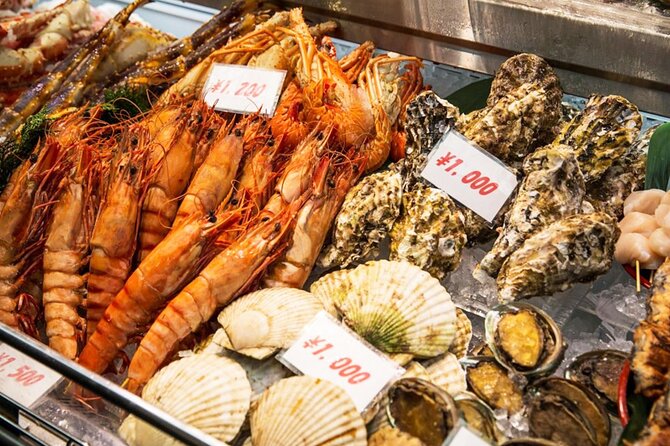
- Kuromon Market brings seafood, sushi, wagyu, fruit, and street bites into one short walk.
- English-speaking guides such as Kaz, Nako, and Sayaka have led guests through the area.
- The $31.84 price covers guiding, not food or drinks, so budget extra for market snacks.
Starting near Dotonbori’s neon
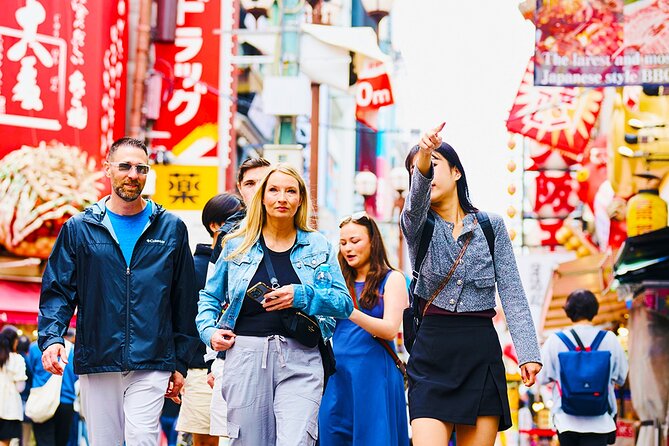
The tour begins at the Don Quijote Dotonbori Midosuji store on 2-chome-5-9 Nishishinsaibashi. That puts you near one of Osaka’s best-known eating districts, and the route starts with the Dotombori Glico Sign, a natural meeting point in the middle of the city’s bright nightlife zone.
This first stop lasts about 30 minutes. You can expect street food to be part of the conversation right away, with the guide helping you understand what you are seeing and what may be worth trying. Takoyaki and gyoza are specifically associated with the walk, but the tour is not structured as an all-you-can-eat crawl.
That difference matters. If you want a long evening of food sampling, this experience may feel too short. If you want an orientation before exploring on your own, the opening section gives you a useful start. You can look at menus and stalls with a better sense of what Osaka is known for, then decide how much you want to spend.
Dotonbori can feel confusing when you first arrive. Signs compete for your attention, narrow streets branch off in several directions, and busy food lanes do not always make their purpose clear. A local guide helps turn the area from a wall of advertisements into a readable neighborhood.
The route is also a good fit for your first night in Osaka. You can collect ideas for later meals without using an entire evening. Ask your guide for specific restaurant suggestions during the walk. Sayaka, Kaz, and Nako are among the guides named in the experience feedback, and each review points to the value of having a local person explain the area rather than simply leading a group from one landmark to the next.
Two-hour nights out around Osaka:
- Amsterdam 2 Hour Small-Group Canal Cruise with Dutch Snacks & Bar
★ 5.0 · 1,058 reviews - Amsterdam 2-Hour Evening Cruise With Live Guide and Bar
★ 5.0 · 134 reviews - Tokyo: Shinjuku Izakaya and Golden Gai Bar Hopping Tour (2h)
★ 4.9 · 67 reviews
Hozenji Temple, a quiet lane in Namba
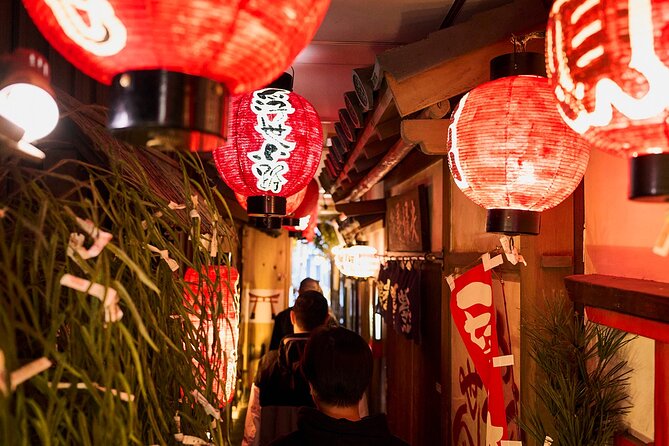
From Dotonbori, the walk reaches Hozenji Yokocho, a narrow lane with a very different mood from the main entertainment streets. The temple stop lasts about 20 minutes and includes Hozenji Temple, a small Buddhist temple tucked into the city.
The temple is known for its moss-covered statue of Fudo Myo-o. Visitors commonly splash water over the statue while making a wish, which has helped cover it in green moss over time. This is a small detail, but it gives the stop a clear sense of place. You are not just looking at an old religious building. You are seeing a local custom in action.
I like this pause because it breaks up the food and shopping focus. Osaka’s nightlife districts can become a blur of signs, crowds, and restaurant fronts. Hozenji gives you a few quiet minutes and a reminder that the city’s older traditions still sit between its modern commercial streets.
The stop is not a long temple visit. Do not expect a large complex, a museum, or an extended lesson in Buddhist art. Its value comes from the contrast and the setting. Your guide can provide context, answer questions, and help you notice why this little temple is important to the surrounding neighborhood.
Hozenji Yokocho also adds atmosphere without requiring a separate trip. If you are staying near Namba, you could return later for a slower look at the lane. On the tour, though, the visit is brief, so keep your expectations focused on a small, atmospheric temple rather than a major sightseeing site.
Doguyasuji and Osaka’s professional kitchen tools
The next stop is Sennichimae Doguyasuji Shopping Street, with about 20 minutes set aside for the visit. This street is known for kitchen equipment used by professional cooks. It is a practical and unusual part of the route, especially if you have already seen plenty of food stalls and want to understand what makes a restaurant work behind the scenes.
You may find knives, cookware, serving dishes, plastic food models, and other restaurant supplies along this shopping street, although the supplied tour details specifically promise the chance to see tools used by professionals rather than a fixed shopping list. The guide can point out the purpose of items that might otherwise look ordinary or puzzling.
For me, this is one of the more useful stops because it connects Osaka’s food identity to the work of cooking and serving. A bowl of ramen or a plate of sushi can look simple at the table. Doguyasuji shows the equipment, presentation, and specialist tools that support that meal.
The 20-minute visit is enough for an introduction, but it may not satisfy serious shoppers. If you hope to buy a kitchen knife or cookware, you will need to return on your own and allow more time. The tour is designed to show you the street and explain its character, not to provide a dedicated shopping session.
You should also remember that any purchases are your responsibility. The tour price does not include shopping, food, or drinks. Still, even without buying anything, the stop adds a useful layer to the walk and gives you a different view of Osaka’s food culture.
Kuromon Market, Osaka’s food center
The final major stop is Kuromon Market, known as Osaka’s Kitchen. The visit lasts about 30 minutes and brings together many of the foods associated with the city: fresh seafood, sushi, wagyu beef, fruit, and other market fare.
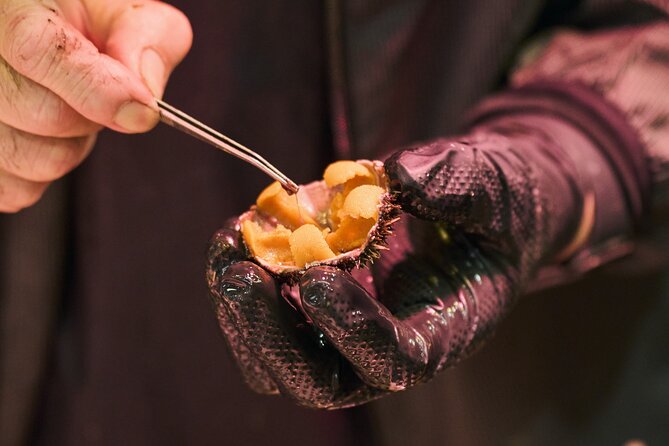
This is where the tour’s food focus becomes most practical. A guide can help you make sense of the stalls, point out what is being sold, and help you move through the market without wasting your short visit. You might see seafood being prepared, examine products you do not recognize, or decide to buy a small bite from a vendor.
Food is extra, so bring a little spending money if you want to taste something. The tour does not include a sit-down meal, and the stated plan is to walk through the market rather than stop for dining in. That arrangement keeps the tour moving, but it also means you should not arrive expecting a full lunch or dinner.
I see Kuromon as a place where the guide’s value can vary according to your interests. If you are curious about seafood, Japanese produce, sushi, or wagyu, you will have plenty to look at. If you dislike markets or prefer a formal restaurant, this part may feel less comfortable. The walk is built around seeing and discussing local food culture, not around a polished tasting menu.
The 30-minute limit is another point to consider. Kuromon can reward a slower visit, especially if you want to compare stalls or eat several things. On this tour, you get a first look and some direction. You can then return later if the market catches your interest.
More nights out across Osaka:
- Osaka: Namba Pub Bar Crawl with a Local Guide
★ 4.9 · 424 reviews - Osaka: Izakaya Bars Guided Walking Tour
★ 4.9 · 385 reviews - Osaka Pub Crawl and Nightlife Tour
★ 5.0 · 293 reviews - Osaka Local Bar Crawl in Dotombori & Uranamba Area
★ 5.0 · 199 reviews
What the $31.84 price really covers
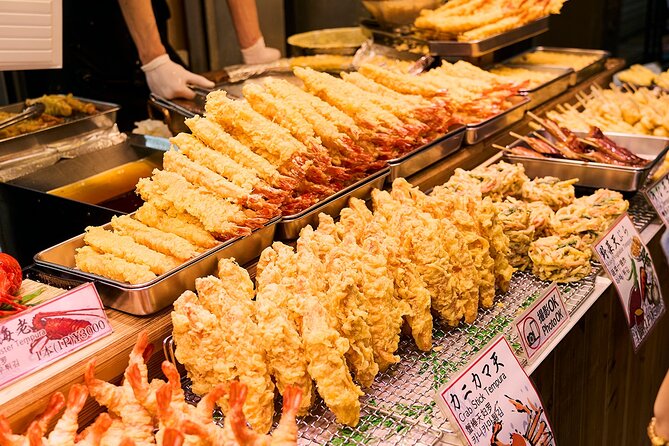
At $31.84 per person, the experience is priced as a short guided orientation, not as a meal package. Your payment covers an English-speaking guide and the walking route. It does not cover takoyaki, gyoza, seafood, sushi, wagyu, fruit, drinks, or anything else purchased from a vendor.
That can be good value if you are new to Osaka and want a local explanation of Namba in a small amount of time. You are paying for context, route planning, and the ability to ask questions. The guide also gives you restaurant suggestions that may help with the rest of your stay.
The price is less attractive if you mainly want food included. A self-guided walk through Dotonbori, Doguyasuji, and Kuromon Market costs less, though you would give up the guide’s local direction. You would also need to work out the route and decide what to try without help.
The tour has a maximum of 15 people. That is not a private tour, but it is still limited enough for a guide to manage a walking group. The actual feel will depend on how full the departure is. If you want a highly personal food consultation, ask questions early and clearly.
The experience is booked, on average, 21 days in advance. That suggests planning ahead can be sensible, especially if you have fixed evening plans. Confirmation arrives when you book, and the activity is near public transportation.
How to use the two hours well
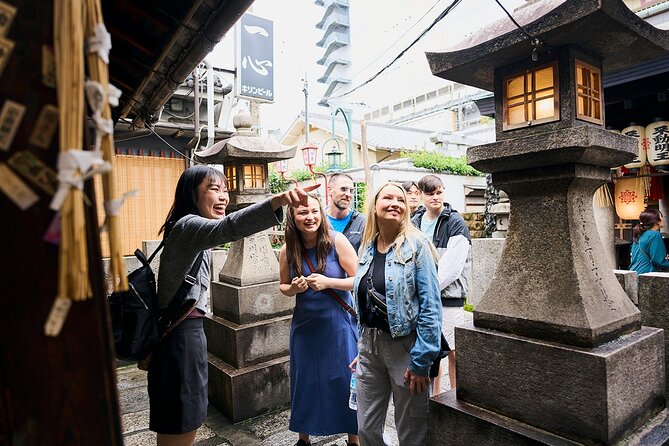
The tour runs for about two hours and ends back at the starting point. That return arrangement makes it easier to plan your evening afterward. You can continue eating in Dotonbori, return to your hotel, or use the guide’s suggestions to choose another restaurant.
I would book it near the start of your Osaka stay. You will get the most value if you use the walk as a practical introduction, then return to the places that interest you. Kuromon Market, in particular, may deserve a longer visit than the tour allows.
You should also wear comfortable shoes. The route links several central districts and market streets, so you will be walking for most of the activity. The supplied information does not give a precise distance, so I would avoid treating this as a formal food lesson where you mostly sit.
The schedule is designed to fit different plans, with tour options throughout the day. The experience is described as a nightlife district walk, so an evening departure may suit the Dotonbori atmosphere best, but the availability of different times gives you flexibility.
Who will enjoy this Osaka food walk
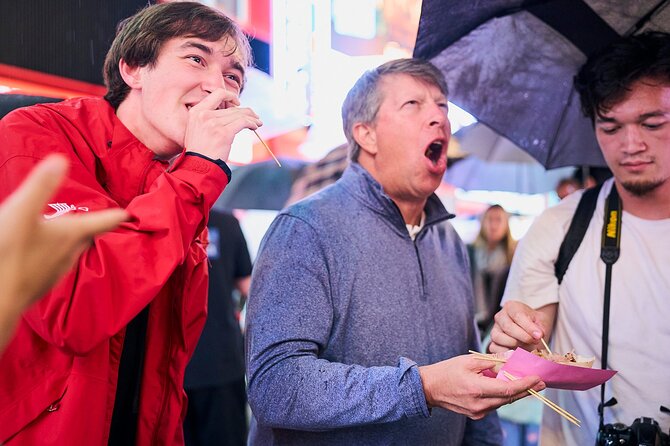
This tour suits you if you want a first look at Namba’s food culture without committing to a full-day activity. It works especially well for first-time visitors who want a guide to explain what they are seeing and suggest places to eat later.
It also suits solo visitors and couples who prefer a small-group setting to wandering alone. The group can include up to 15 people, so you get some social contact without the scale of a large bus tour.
Families and older visitors may appreciate the clear two-hour length, though the route remains a walking activity and the information provided does not promise special accessibility arrangements. Most people can participate, and the meeting point is near public transportation.
Food-focused visitors should see the tour as an introduction rather than a tasting event. You will be near many foods, but you pay for your own purchases and will not sit down for a meal during the walk.
The experience may be less suitable if you want a detailed culinary class, a private guide, or a long list of included tastings. It is also not the best choice if you have only a short time at each market stall and want complete freedom to stop and eat whenever you wish.
Guide quality and the personal touch
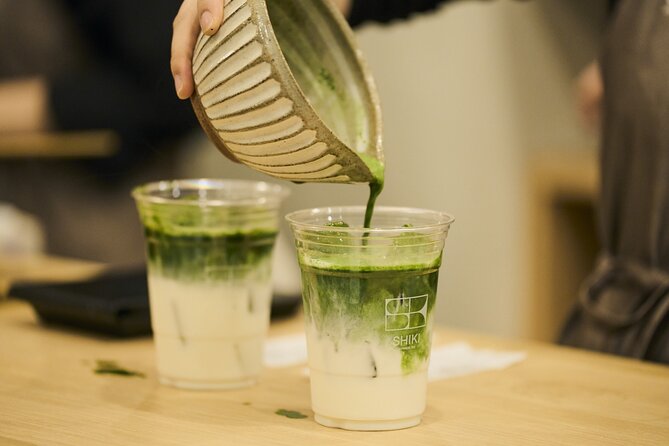
The guide is central to the value here. The route itself is easy to describe, but a good local guide adds the details that make it useful: what a market stall sells, how Hozenji fits into the neighborhood, why kitchen tools matter, and where you might eat next.
The named guides include Kaz, Nako, and Sayaka. Kaz is associated with taking people to classic and less obvious food stops. Nako is described as friendly during a walk through Namba and the markets. Sayaka is associated with tailoring the outing to food preferences, including sake, and adding playful local experiences such as pachinko.
Those details suggest a tour that can respond to your interests rather than simply recite a script. Still, individual guides differ, and the exact guide for your booking is not guaranteed by the information provided. If you have a strong preference, check at booking rather than assuming a particular person will lead your group.
The best way to improve the experience is to ask direct questions. Tell the guide what you like to eat, whether you want restaurant suggestions, and how adventurous you are with seafood or unfamiliar dishes. The tour gives you access to local advice, so use it.
Cancellation and basic planning notes
You can cancel up to 24 hours before the start time for a full refund. Changes or cancellations within 24 hours are not accepted for a refund, and the cut-off follows Osaka local time.
Confirmation is provided at booking. The tour uses a mobile ticket, begins and ends at the Don Quijote Dotonbori Midosuji meeting point, and is near public transportation.
Because the food is not included, I would carry a payment method suitable for small purchases and decide in advance how much you want to spend. The information does not specify accepted payment methods at each vendor, so do not assume every stall will take the same form of payment.
Should you book this Osaka night walk?
Book it if you want a short, guided introduction to Dotonbori, Hozenji, Doguyasuji, and Kuromon Market. The strongest reasons are the range of stops and the chance to ask a local guide for restaurant advice afterward. At $31.84, it makes sense as a city orientation with food culture at its center.
Skip it if your priority is included food, a full meal, or a private and highly detailed culinary tour. You will need to pay for your own tastings, and two hours only gives you a first look at Kuromon Market.
For most first-time visitors staying near Namba, I would place this early in the trip. Use the walk to learn the area, note the foods and restaurants that catch your attention, then return on your own with more time and an appetite.
FAQ
How long does the Osaka walking tour last?
The tour lasts approximately two hours.
How much does the tour cost?
The listed price is $31.84 per person.
What food can I expect to see or try?
The route includes Osaka street foods such as takoyaki and gyoza, along with seafood, sushi, wagyu beef, fruit, and other market foods. Any food or drinks you buy cost extra.
Are meals and drinks included?
No. Food and drinks from street vendors are not included, and the tour does not stop for a sit-down meal.
What language is the tour conducted in?
The tour includes an English-speaking guide.
Where does the tour start?
It starts at Don Quijote Dotonbori Midosuji, 2-chome-5-9 Nishishinsaibashi, Chuo Ward, Osaka, 542-0086, Japan.
Where does the tour finish?
The activity ends back at the meeting point.
How many people can join the tour?
The maximum group size is 15 people.
What places are included in the walking route?
The route includes the Dotombori Glico Sign, Hozenji Yokocho and Hozenji Temple, Sennichimae Doguyasuji Shopping Street, and Kuromon Market.
Can I cancel for a full refund?
Yes. You can receive a full refund if you cancel at least 24 hours before the experience start time. Cancellations within 24 hours are not refunded.
Last orders added around Osaka
- Osaka: Unforgettable Bar Hopping in Kyobashi!★ 5.0 · 4 reviews
- 3.5h Osaka Night guided Local Bar Hopping, Sake & Karaoke★ 5.0 · 27 reviews
- Osaka Umeda:PICCADILLY LIVE SHOW & NIGHTCLUB TICKET & Shisha★ 4.7 · 10 reviews
- Osaka Dotonbori:GIRAFFE Nightclub Ticket with Drink/VIP Plan★ 4.4 · 14 reviews
- Osaka: Deep Food Tour and Bar Hopping in Namba★ 5.0 · 2 reviews
- Osaka Bar Hopping | Explore Hidden Bars & Izakayas in Namba★ 4.7 · 18 reviews
- Bar hopping: Create lasting memories with TOMODACHI guides!★ 5.0 · 4 reviews
- Osaka: PICCADILLY PREMIUM DINNER SHOW&NIGHTCLUB with Tasting★ 5.0 · 26 reviews
Osaka Bar Crawls: the next round
Osaka Local Bar Crawl in Dotombori & Uranamba Area
Read our review →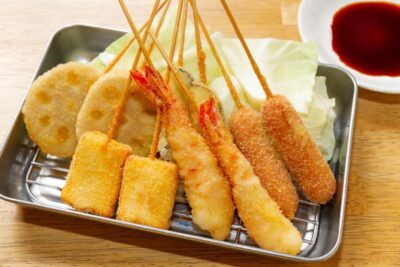
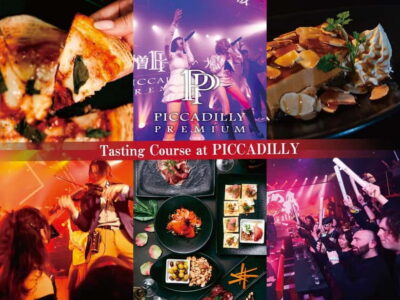
Osaka Umeda: PICCADILLY DINNER SHOW & NIGHTCLUB with Tasting
Read our review →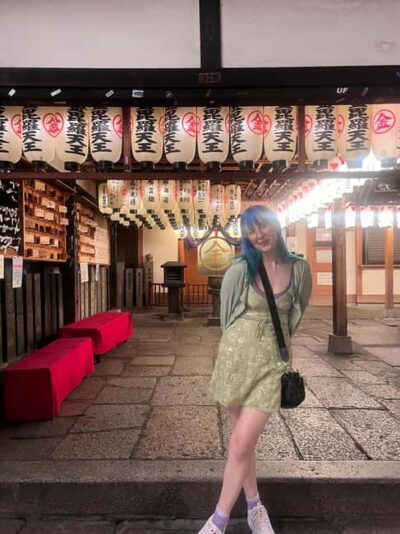
3.5h Osaka Night guided Local Bar Hopping, Sake & Karaoke
Read our review →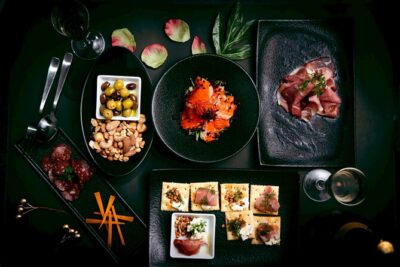
PICCADILLY PREMIUM DINNER SHOW&NIGHTCLUB with Tasting
Read our review →This night out also appears in