
Review · TOKYO
Tokyo: Izakaya Bar Experience at Kuuraku Ginza Reservation
Tokyo’s yakitori tradition is at the heart of this meal: chicken pieces are grilled over binchotan charcoal, then served as a series of carefully prepared skewers. At Kuuraku Ginza, the meal feels less like a quick bar snack and more like a paced Japanese course in a warm, neon-lit room.
I like the choice of three menus, since you can order a five-skewer course for a lighter meal or go all the way to nine. I also like the useful touches for international diners, including an English menu, friendly service, and one-person bookings. The main catch is simple: this is a restaurant reservation, not a guided activity, and drinks are not included.
Key points to know before booking
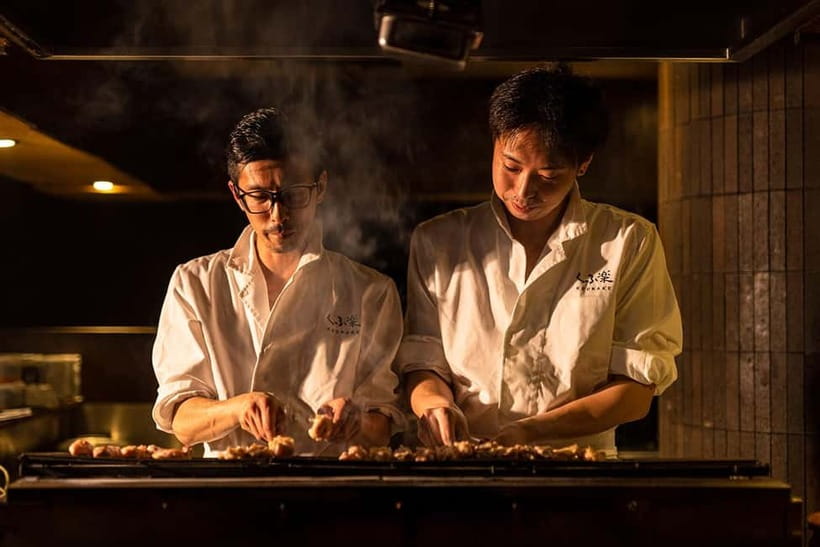
- Binchotan-grilled chicken: Michinoku Seiryu chicken provides the main event, with juicy meat and crisp edges from charcoal cooking.
- Three course sizes: Choose five, seven, or nine selected skewers, with the larger menus adding rare cuts, beef, vegetables, and dessert.
- A real Ginza night out: You enter the restaurant beside a Family Mart and dine on your own, with no guide or group tour.
- Strong drink pairing options: Seasonal Japanese sake and award-winning wines are available, including Aota from Kitaya in Fukuoka.
- Friendly for first-time visitors: An English menu and attentive service make the meal easier to navigate.
- Two-hour seating limit: Plan to arrive ready to eat, since your table is reserved for a maximum of two hours.
What this Ginza yakitori meal really is
The first thing to understand is the format. You are not joining a walking tour, cooking class, or hosted tasting. You reserve a table at Kuuraku Ginza, enter the restaurant at your booking time, and receive one of the set menus.
That distinction matters. If you want a guide to explain every chicken cut or lead you through Tokyo nightlife, this is not the right choice. If you want a well-organized Japanese dinner that removes some of the guesswork from ordering, it works much better.
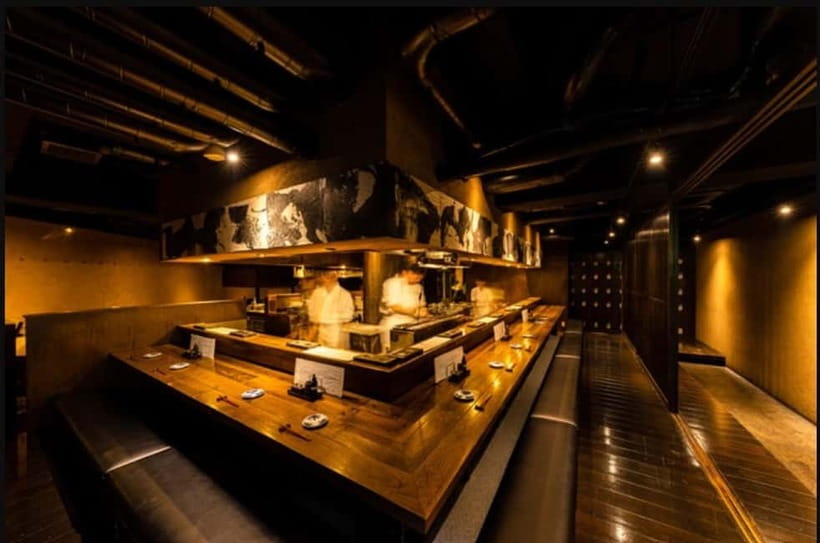
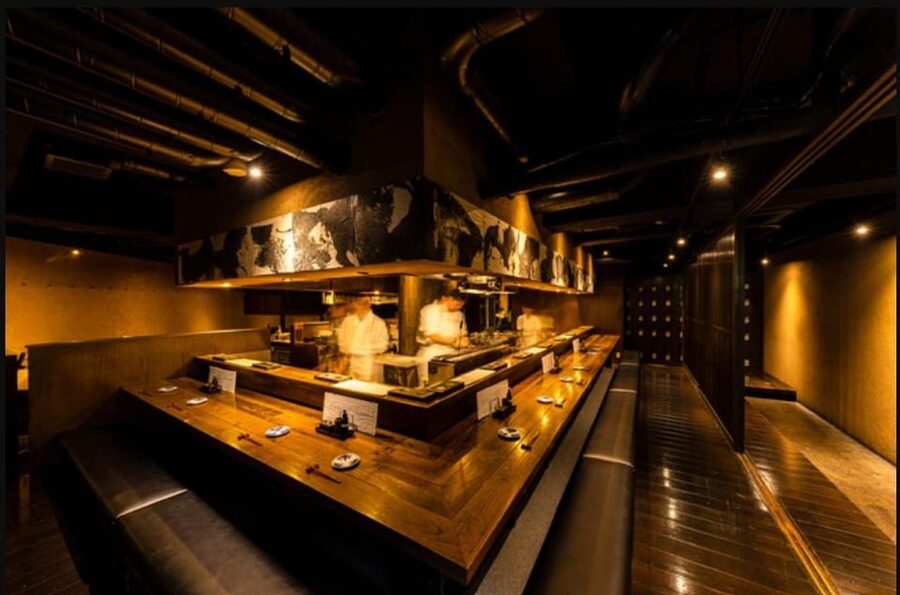
The restaurant presents itself as a calm break from Ginza’s busy streets. The setting has a cozy, neon-lit look, giving the meal a modern edge without losing the feel of an izakaya, the casual Japanese pub where people gather for small dishes and drinks after work.
You should allow about two hours. That is enough time for a proper meal, but it is not an open-ended evening at the counter. Specific seat types cannot be guaranteed, so book this for the food and atmosphere rather than for a particular table.
More Izakaya and Sake Bar Hopping in Tokyo
- Tokyo: Shinjuku Local Bar and Izakaya Guided Walking Tour
★ 4.9 · 1,794 reviews - Tokyo: Shinjuku Local Bar & Izakaya Crawl Tour
★ 5.0 · 890 reviews - Shibuya: Local Bar & Izakaya Crawl
★ 4.9 · 354 reviews
Starting at the charcoal grill
Yakitori can mean very simple food: chicken on a skewer, grilled and seasoned. Done well, though, it shows how much flavor can come from heat, timing, and careful preparation.
Kuuraku uses Michinoku Seiryu chicken, described as tender and full-flavored. The skewers are cooked over Binchotan charcoal, a traditional high-grade charcoal valued for intense, steady heat. The result you are looking for is a lightly crisp outside with juicy meat inside.
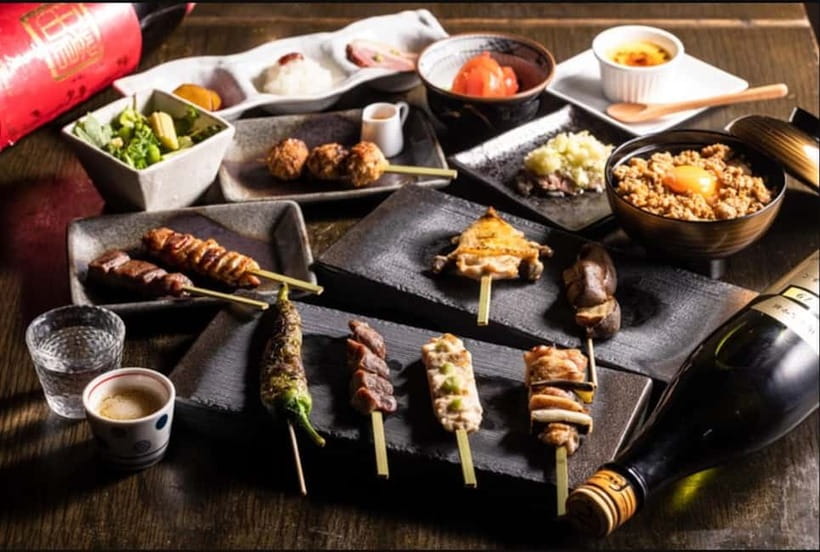
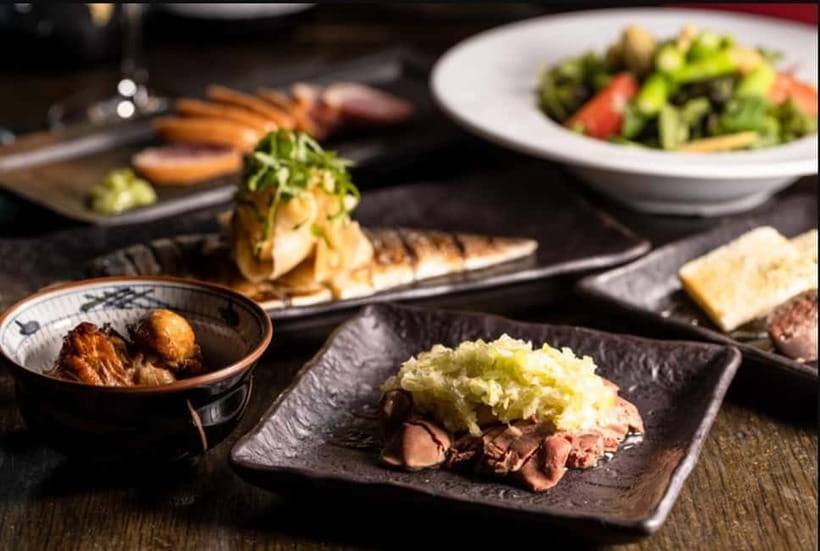
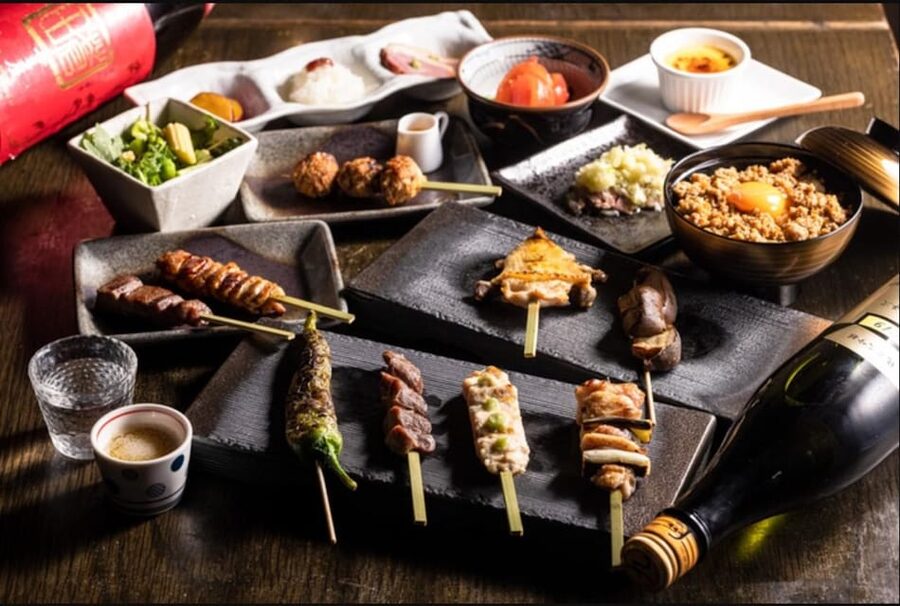
The courses typically begin with an appetizer and salad before the skewers arrive. That opening gives your palate a little variety and keeps the meal from becoming a parade of identical bites. You then move through chicken cuts, vegetable skewers, a small dish, and the restaurant’s specialty, special Toro liver.
The exact order can vary, but the point of the menu is progression. You are not simply handed a large plate of grilled chicken. You get a series of smaller portions, each with its own texture and flavor.
A five-skewer course includes chicken with scallion, breast, Zuri or Maruhatsu, and homemade Tsukune, along with one vegetable skewer. Tsukune is the familiar chicken meatball, and it is one of the safest choices for diners who are new to less common chicken parts.
Zuri and Maruhatsu are more specialized cuts, so the five-skewer menu gives you a small introduction to the wider world of yakitori. If you prefer familiar meat and do not want much offal, ask about the cuts when you arrive.
Choosing between five, seven, and nine skewers
The five-skewer course includes 11 dishes. Along with the appetizer and salad, you receive four chicken skewers, one vegetable skewer, a small dish, special Toro liver, chicken soup, and a minced-meat rice bowl.
This is the sensible choice if you want to sample the restaurant without making dinner too long or too filling. It also suits a night when you have another plan in Ginza. You still receive the core meal, including the soup and rice ending.
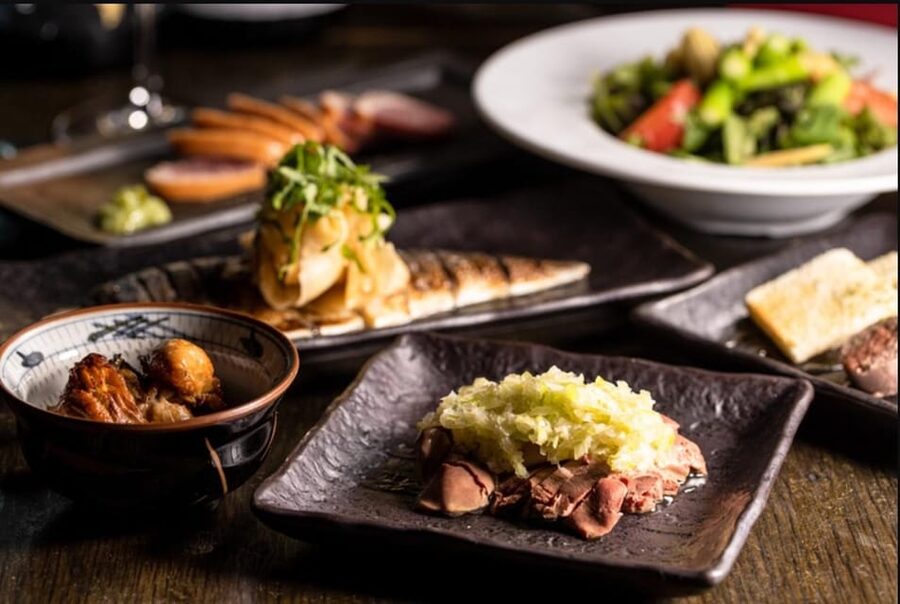
The seven-skewer course expands to 14 dishes. It adds a fifth chicken skewer, wings, a second vegetable skewer, and grilled soused mackerel. The course still includes the specialty liver, chicken soup, and minced-meat rice bowl.
For most people, this is the best balance. You get more range without committing to every extra item in the largest menu. The chicken with scallion and homemade Tsukune are especially good choices for a first visit, based on the meal’s most praised elements.
The nine-skewer course contains 17 dishes. It adds six chicken skewers, four kinds of rare parts, two vegetable skewers, one beef skewer, a meal course, chicken soup, dessert, and the minced-meat rice bowl.
Choose this only if you enjoy trying less familiar cuts and want the fullest version of the meal. The rare parts are the main reason to upgrade, not just the larger quantity. If you are cautious about liver or offal, the five or seven-skewer menu will probably be more comfortable.
Children under six eat free. Children aged six and older must order the regular course, so families should include the correct number of paid diners in the reservation.
The ingredients and cuts to expect
The chicken is the focus, but the menu gives you several ways to experience it. Breast offers a leaner bite, while the wings bring more skin and fat. Chicken with scallion combines grilled meat with the sweet, lightly charred flavor of the vegetable.
Homemade Tsukune is a useful middle ground. It has the familiar shape of a meatball but keeps the meal tied to yakitori. It is also one of the dishes most likely to appeal to people who are uncertain about unusual chicken parts.
The special Toro liver is a more adventurous item. Liver has a soft, dense texture and a strong flavor compared with breast or wing. If you already enjoy yakitori, it may be one of the most interesting parts of the course. If not, treat it as a small taste rather than the reason to book the largest menu.
The nine-skewer option adds four kinds of rare parts and a beef skewer. The supplied details do not identify each rare cut, so you should ask the staff if you want to know exactly what is being served. Dietary comments can be added during checkout, which is important if you avoid particular ingredients.
The meal finishes with special chicken soup and a minced-meat rice bowl on the smaller courses. The largest course also lists dessert. These final dishes give the dinner a proper close instead of ending with the last skewer.
Same city, a different round of bars:
- Tokyo Bar Hopping Tour in Shinjuku (All-You-Can-Drink + Dinner)
★ 5.0 · 3,587 reviews - Shibuya Meltdown Nightlife Tour: All-You-Can-Drink Bar Hopping
★ 5.0 · 1,058 reviews - Tokyo: Pub Crawl and Bar Tour
★ 4.5 · 951 reviews - Tokyo: Shinjuku Bar Hopping with All-You-Can-Drink & Dinner
★ 4.9 · 440 reviews
Pairing sake and wine with the skewers
Drinks cost extra, but they are an important part of the izakaya experience. Seasonal Japanese sake is available, along with award-winning wines. One named option is Aota from Kitaya in Fukuoka.
Sake works naturally with charcoal-grilled chicken. Its clean, rice-based character can refresh your palate after a richer skewer, while the changing temperatures and styles give you something to compare across the meal. You do not need specialist knowledge to order, but you can ask the staff for a pairing suggestion.
Wine gives you a different route. If you prefer wine to sake, you do not have to force yourself into a traditional pairing. The presence of both options makes the restaurant easier for mixed groups, especially when one person wants Japanese sake and another prefers wine.
Remember that water is included, but other drinks are not. A meal advertised at $34 per person can cost more once you add sake, wine, or other beverages. Set your food budget separately from your drink budget.
The legal drinking age in Japan is 20. Bring that rule into your planning, particularly if your party includes younger adults.
A comfortable stop in the middle of Ginza
Ginza can feel polished and energetic, with department stores, restaurants, bright signs, and plenty of evening movement. Kuuraku offers a change of pace inside. Its interior is described as serene and welcoming, while the neon-lit design keeps the room connected to modern Tokyo.
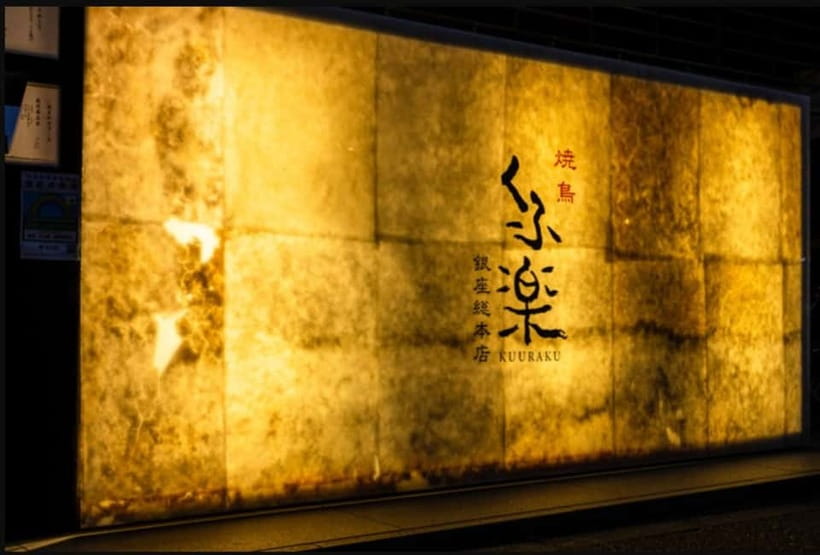
The meeting point is next to a Family Mart convenience store. You do not meet a guide there. At the reservation time, enter the restaurant directly and show your booking as needed.
That makes the experience easy to fit into an evening of sightseeing. You can plan dinner around Ginza without worrying about a meeting group, transport between stops, or a guide returning you to your hotel. The tradeoff is that you must handle the arrival yourself and should allow enough time to find the entrance.
The restaurant’s atmosphere is part of the value. A yakitori meal at a plain counter can be excellent, but the setting changes how the evening feels. Here, the combination of charcoal cooking, low-key hospitality, and modern lighting gives you a recognizable Tokyo night without requiring a large nightlife plan.
What service is like for international diners
Service is reported as friendly and attentive, and an English menu is available. That does not mean every detail will be explained at length, but it makes the set menus easier to understand.
The restaurant also accepts bookings from one person. Solo dining is common in Japan, yet some prebooked food experiences require a pair or group. Here, you can reserve for yourself and enjoy the meal without paying for an unwanted second seat.
The course format also reduces ordering pressure. You do not need to point at a long menu and guess how much food to buy. You choose a course, then the kitchen brings the planned sequence.
Still, speak up about dietary restrictions. You can leave a comment during checkout, but you should not assume that every request can be accommodated unless the restaurant confirms it. The menu includes chicken, liver, fish, beef, vegetables, and possible specialty cuts, so clear communication matters.
Is $34 a fair price?
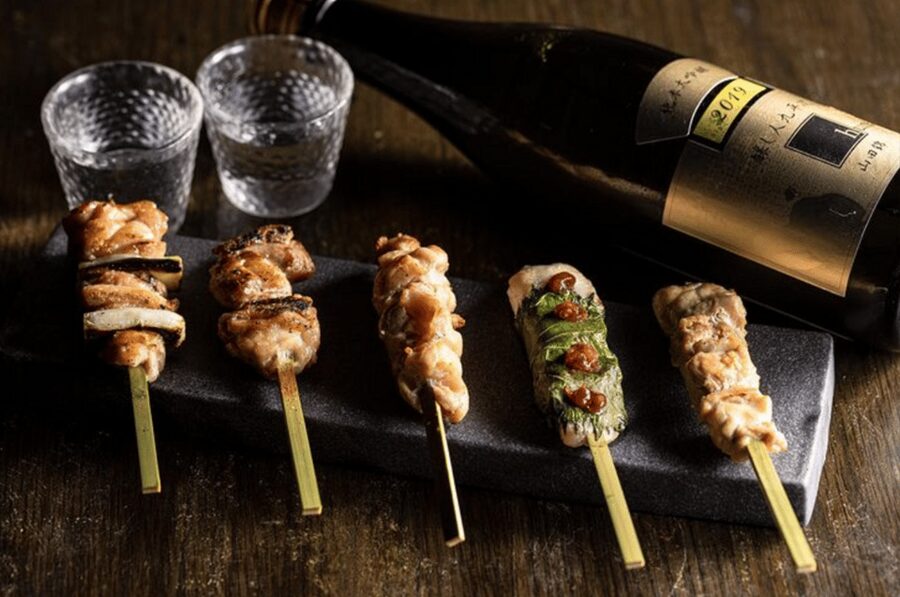
At $34 per person, the food price is reasonable for a multi-part dinner in Ginza, especially since the course includes many dishes rather than just a handful of skewers. The five-skewer menu includes 11 dishes, the seven-skewer menu includes 14, and the nine-skewer menu includes 17.
That number alone does not tell the whole story. You are paying for the reservation, the set meal, the charcoal grilling, the variety of cuts, and a two-hour dining setting. You are not paying for a guide, transport, or a drink package.
The seven-skewer course appears to offer the strongest value for a first visit. It adds wings, more vegetables, and grilled soused mackerel, while keeping the amount of rare meat manageable. The five-skewer course is better for a lighter meal, and the nine-skewer version makes sense for serious yakitori fans.
Drinks can change the final bill. Seasonal sake and wine are tempting additions, but factor them in before booking if you are watching costs. The reservation price is not an all-inclusive evening.
Who should book this experience?
I would recommend Kuuraku Ginza to you if you want Japanese food with a clear structure and a good chance to try several chicken cuts. It suits solo diners, couples, and small groups who prefer to sit down and eat rather than join a nightlife tour.
It is also useful for a first Tokyo visit. The English menu, set courses, and attentive service remove some of the uncertainty that can make an unfamiliar izakaya feel hard to approach.
Food lovers should consider the nine-skewer course, especially if rare parts, liver, and different textures appeal to you. If you are unsure about those items, choose seven skewers or ask about the menu before confirming.
I would not book it for a quick snack. Two hours and several courses make this a full dinner. I also would not choose it if your main goal is a hosted cultural explanation, since no guide is provided.
Cancellation is free up to two days in advance for a full refund. Check the exact booking time before confirming, since the available start times can vary.
FAQ
Is this a guided activity?
No. This is a restaurant reservation only. At your reservation time, enter Kuuraku Ginza directly, and no guide will accompany you.
How long does the meal last?
The reservation lasts two hours. Seats are reserved for a maximum of two hours.
What does the $34 price include?
The price includes the selected full course menu, sales tax, and the restaurant reservation. Drinks other than water and personal expenses are not included.
Can one person book?
Yes. Bookings are accepted from one person.
Which course menus are available?
You can choose a five-skewer, seven-skewer, or nine-skewer course. The menus add different numbers of chicken, vegetable, beef, and rare-part skewers, along with small dishes, soup, rice, and dessert on the largest course.
Can children dine at the restaurant?
Children under six years old are free. Children aged six and older must order the regular course.
Should you book Kuuraku Ginza?
Book this meal if you want a convenient, food-focused Tokyo evening built around charcoal-grilled chicken. The seven-skewer course is the safest starting point for most diners, offering a broad range without the full commitment of the largest menu.
Choose the nine-skewer option if you actively enjoy rare cuts and want the longest tasting sequence. Choose five skewers if you want a shorter, lighter dinner.
The key decision is your expectation. This is a well-planned restaurant night, not a tour with a guide or a lesson in Japanese food culture. If that suits you, the charcoal-grilled chicken, friendly service, English menu, and Ginza setting make the $34 food price a sensible way to sample izakaya dining.
Last orders added around Tokyo
- Tokyo:Shinjuku Ni-chome LGBTQ+ Bar Hopping Tour with Guide★ 5.0 · 2 reviews
- Tokyo: Shinjuku Izakaya and Golden Gai Bar Hopping Tour (2h)★ 4.9 · 67 reviews
- Tokyo: Shinjuku Nightlife Tour with Karaoke and Bar Hopping★ 4.1 · 4 reviews
- Tokyo: Enjoy Tokyo’s Nightlife in Shinjuku★ 4.5 · 45 reviews
- Tokyo: Shinjuku Golden Gai Bar Hopping Night Tour★ 4.4 · 8 reviews
- Tokyo: Shinjuku Hidden Japanese Bar Tour (Neon Light City)★ 5.0 · 4 reviews
- Tokyo: Shinjuku Bar Hopping & Karaoke Night Tour★ 4.9 · 19 reviews
- Tokyo: Shinjuku Golden Gai Bar Hopping that only locals know★ 5.0 · 5 reviews
Tokyo Bar Crawls: the next round
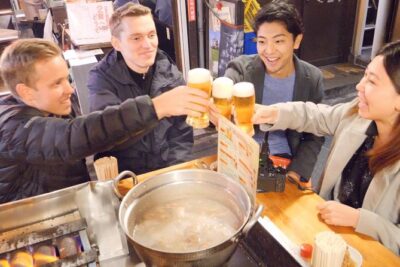
Tokyo Bar Hopping Tour in Shinjuku (All-You-Can-Drink + Dinner)
Read our review →
Shinjuku Local Bar and Izakaya Guided Walking Tour
Read our review →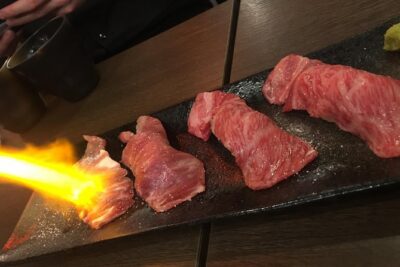
Shibuya Meltdown Nightlife Tour: All-You-Can-Drink Bar Hopping
Read our review →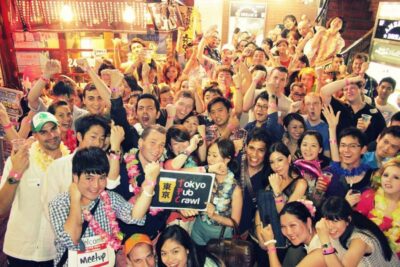

Shinjuku Nightlife & Secret Backstreets Walking Tour
Read our review →
This night out also appears in