
Review · JAPAN
Sapporo: Buddha Hill, TV Tower, and Sake Stand Bar Tour
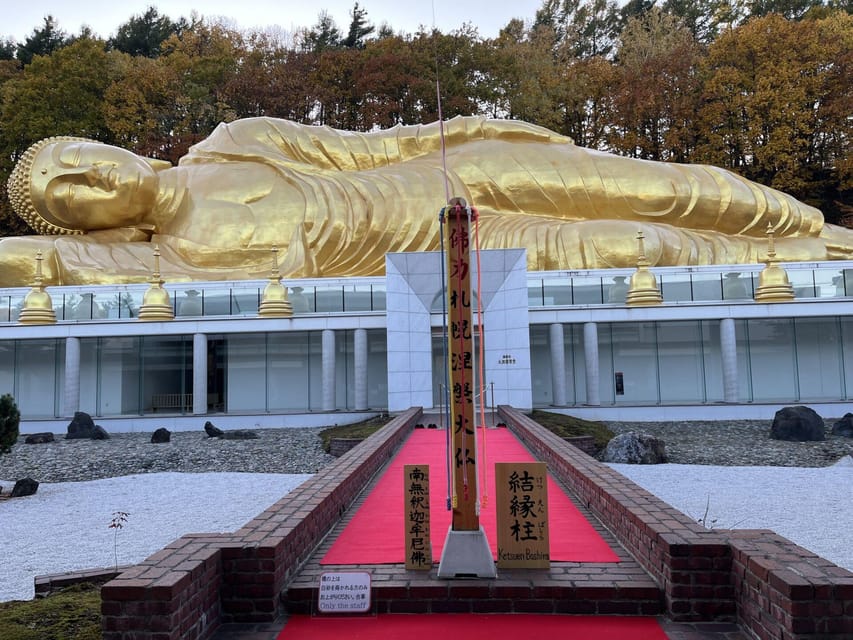
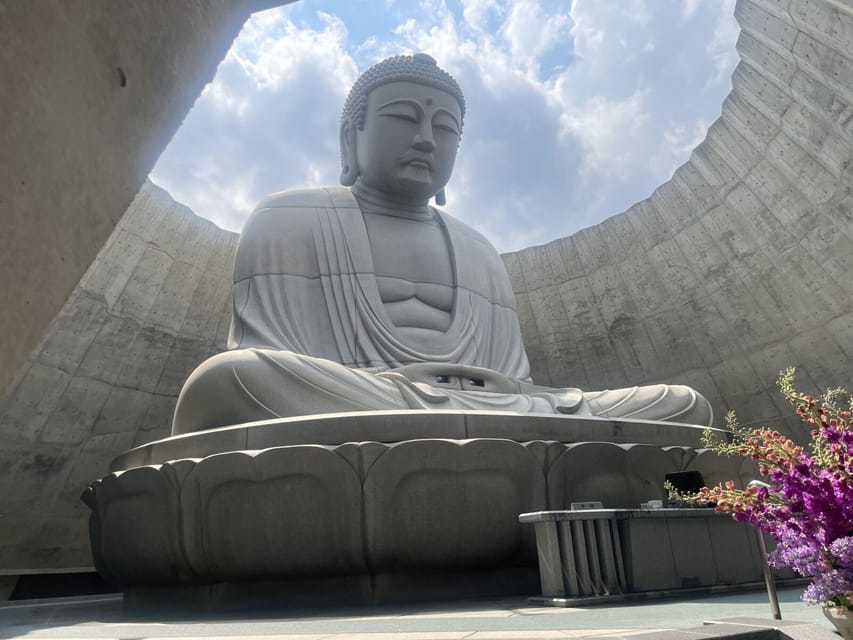
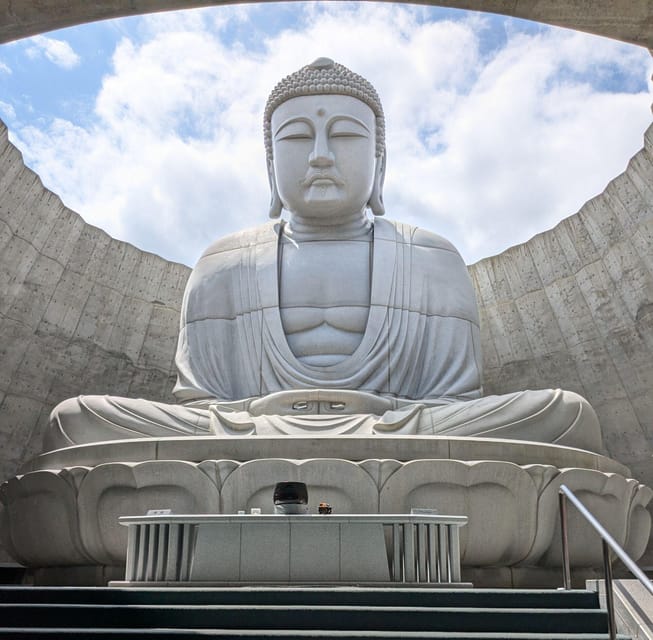
The most unusual part of this Sapporo tour comes before the city views: a 45-meter-long reclining Buddha on the roof of Butsugan-ji Temple. Later, you walk through a concrete tunnel into the Hill of the Buddha, where a 13.5-meter statue sits inside a round, light-filled chamber.
I like the mix of quiet spiritual places and everyday city life, from temple grounds and cemetery monuments to local buses, underground shopping passages, and a small sake bar. I also like that admissions, transportation, and sake tasting are included. The main drawback is the long 510-minute day, with considerable walking and public transport, plus no lunch included.
Key points
- A reclining Buddha on a temple roof: See the 45-meter-long Nirvana statue at Butsugan-ji Temple.
- A striking approach to the Buddha: Walk through a curved concrete tunnel before the statue appears inside its circular rotunda.
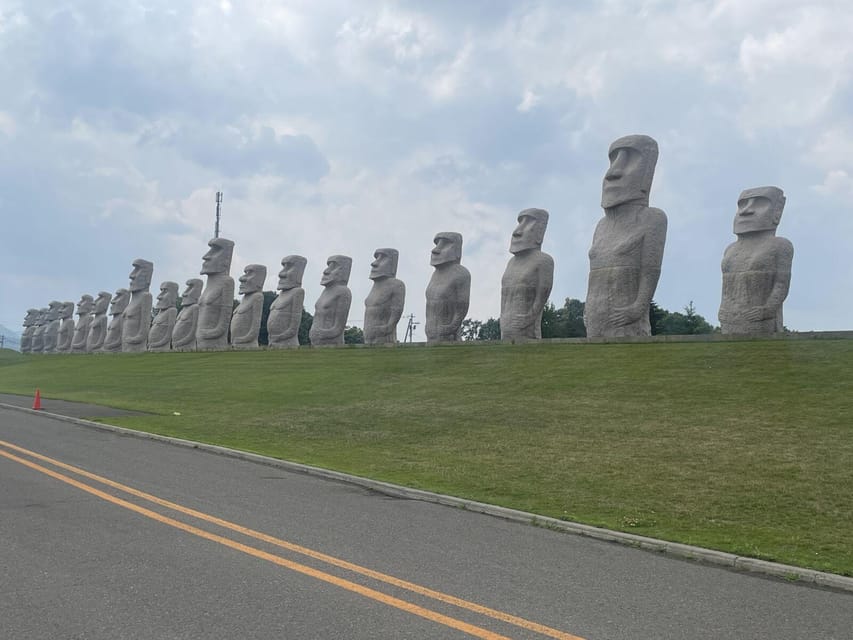
- More than one sacred attraction: The Hill of the Buddha grounds also include Moai statues and a Stonehenge replica.
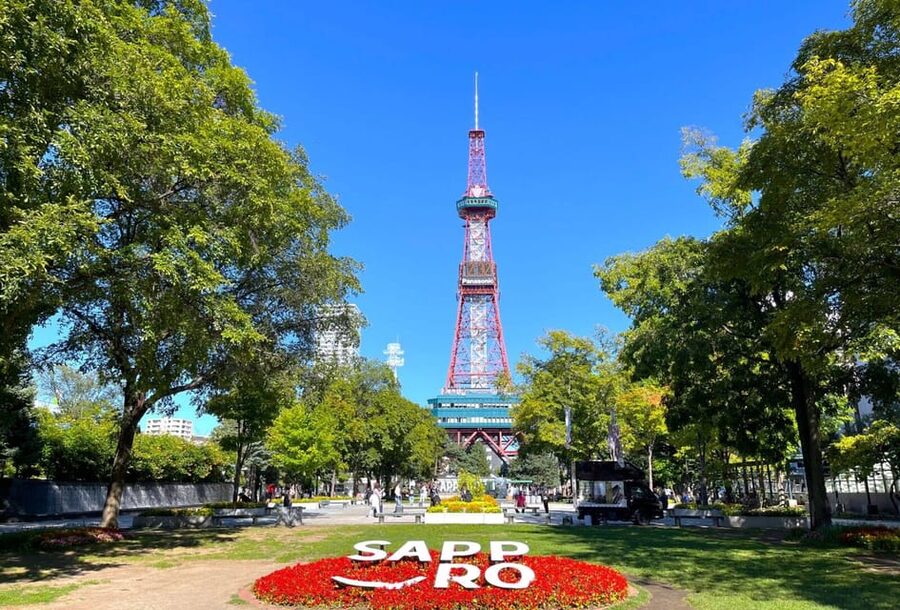
- A clear view over central Sapporo: Ride up Sapporo TV Tower for a 360-degree panorama.
- A useful sake introduction: Taste several varieties at Yata Sake Stand Bar and ask the staff for dinner suggestions.
- A full local-transport day: Expect buses, trains, walking, and possible timing delays, so wear good shoes.
Why this Sapporo day feels different
Many city tours stay close to Sapporo Station and Odori Park. This one takes you farther south, into places that feel removed from the usual downtown route, then brings you back for a high city view and a drink with local character.
The day has a pleasing three-part rhythm. The first part is spiritual and architectural. The second brings you back to central Sapporo for an easy-to-understand city panorama. The final stop is social and practical, with sake tasting and a chance to ask where to eat afterward.
At $170 per person, this is not a bargain if you only want a quick temple visit and a tower ticket. The price makes more sense if you value an English-speaking guide, included transport, all listed admission fees, and a structured full day that would take more planning on your own.
More Izakaya and Sake Bar Hopping in Japan:
- Tokyo: Shinjuku Local Bar and Izakaya Guided Walking Tour
★ 4.9 · 1,794 reviews - Tokyo: Shinjuku Local Bar & Izakaya Crawl Tour
★ 5.0 · 890 reviews - Kyoto: Izakaya Bars Guided Walking Tour
★ 4.9 · 815 reviews
Meeting at Sapporo Station at 9 a.m.
Your morning begins at Sapporo Station, in front of Myomu, the circular white stone structure near the South Exits. After leaving the main JR gates, turn left and walk toward the South Exits. The guide wears a Snow Monkey Resorts tour tag.
This meeting point is simple once you know the landmark, but Sapporo Station is large. Give yourself enough time to leave the JR area and find the circular structure without rushing. The stated meeting time is 9 a.m., so arriving early is sensible.
The tour is offered in English. A guide named Scott led one of the reported departures, and his friendly approach was singled out as a strong part of the day. Guide assignments can vary, but you can expect live commentary rather than a self-guided route.
Butsugan-ji Temple and the 45-meter Nirvana Buddha
The first major stop is Butsugan-ji Temple in southern Sapporo. Its signature sight is easy to remember: a 45-meter-long Buddha Nirvana statue resting on the roof of the Great Nirvana Temple Hall.
A reclining or sleeping Buddha represents the Buddha at the moment of entering Nirvana. Even without a long lesson in Buddhist art, the scale gives the visit weight. The statue is not a small decorative figure tucked into a corner. It is the main visual surprise of the temple stop.
The tour also presents Butsugan-ji as a place of spiritual power. That wording is best understood as an invitation to slow down and pay attention, not as a promise of a particular religious experience. You should approach the grounds respectfully, keep your voice down, and follow the guide’s instructions.
Photography is part of the appeal, but flash photography is not allowed. A camera or phone is useful, though the full shape of the statue may be difficult to capture in one frame. Take time to look up and consider the scale rather than treating the stop as a quick photo checkpoint.
The Hill of the Buddha through its concrete tunnel
From Butsugan-ji, the tour continues by public transportation to the Hill of the Buddha. This is the most visually staged stop of the day, but it does not feel like a theme-park trick. The approach is deliberately controlled.
You walk through an arched concrete tunnel. At the end, the 13.5-meter Buddha comes into view inside a circular rotunda. Light enters through the round opening above, creating a calm, centered composition around the statue.
That approach matters. If the Buddha were visible from the parking area, you would simply walk up and look at it. The tunnel makes the arrival slower and more focused. I like that the architecture frames the statue without covering it in extra decoration.
The rotunda also gives you changing views as you walk around. On a bright day, the contrast between the concrete, sky, and Buddha can be especially strong. On a cloudy or wet day, the mood may feel quieter and more subdued. Bring a hat, sunscreen, and water when the weather is warm, but also prepare for changing conditions in Hokkaido.
More nights out across Japan:
- Tokyo Bar Hopping Tour in Shinjuku (All-You-Can-Drink + Dinner)
★ 5.0 · 3,587 reviews - Shibuya Meltdown Nightlife Tour: All-You-Can-Drink Bar Hopping
★ 5.0 · 1,058 reviews - Osaka Bar Hopping Night Walking Tour in Namba (3 bars, 6 tastes)
★ 5.0 · 958 reviews - Tokyo: Pub Crawl and Bar Tour
★ 4.5 · 951 reviews
Moai statues, Stonehenge, and a cemetery setting
The Hill of the Buddha site includes more than the main statue. You also see giant Moai statues and a replica of Stonehenge within the sacred cemetery grounds.
These additions can seem unexpected beside a large Buddhist figure. They are part of what makes the site different from a traditional temple visit in central Japan. Do not expect a compact, historic temple compound with one consistent architectural style. Instead, expect a broad religious and memorial setting with several large visual features.
This is also a place where cultural respect matters. The grounds are associated with a cemetery and spiritual practice, not only sightseeing. Stay with the group, avoid noisy behavior, and do not use flash photography. Comfortable walking shoes are important because the day includes outdoor paths and movement between several areas.
The site is not suitable for wheelchair users according to the activity information, and it is not recommended for people with back problems or pregnant women. The mix of walking, public transportation, and outdoor surfaces may be tiring even for people who are generally active.
Returning to central Sapporo by local transport
One useful feature of this outing is the transportation experience. You do not simply board a private coach and watch Sapporo pass by. The route includes local trains and buses, particularly on the way to the Hill of the Buddha.
That gives you a more ordinary view of the city. You see how people move around Sapporo and get a better sense of the distance between the center and the southern district. It also means the schedule depends partly on public transport.
Bus timing caused a few hiccups on one departure, though the day still worked out well. This is worth knowing before you book. If you need a tightly timed afternoon appointment, airport transfer, or dinner reservation, leave plenty of space after the tour ends. A public-transport day can be rewarding, but it is not as predictable as a private vehicle.
The route back may include walking through underground shopping areas connecting Sapporo Station, Odori, and Susukino. These passages are useful in bad weather and help you see how central Sapporo functions below street level. They also make the return feel connected to daily city life rather than ending abruptly at a tourist sight.
Sapporo TV Tower and the 360-degree city view
After the religious sites, the Sapporo TV Tower gives you a clear visual reset. You ride to the observation deck for a 360-degree view over the city.
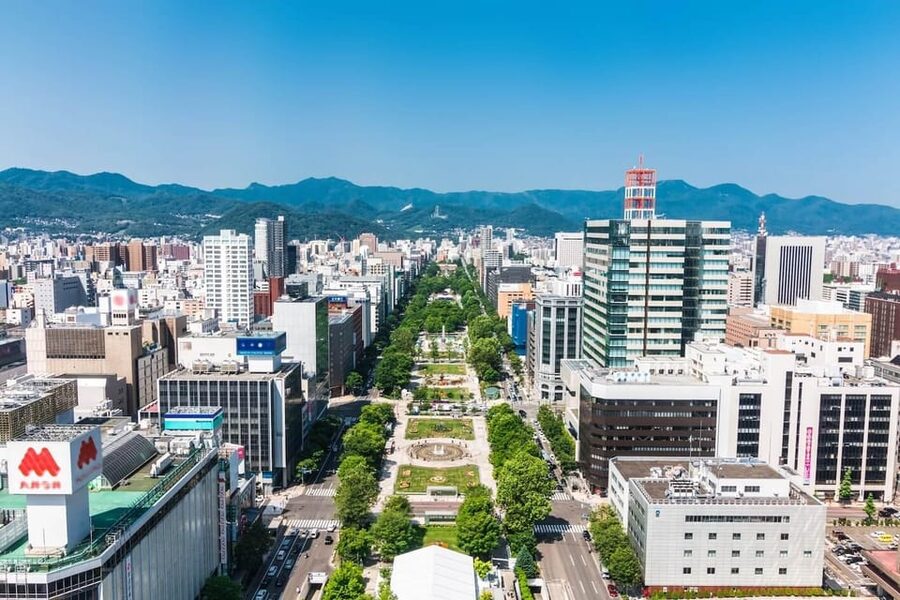
The tower is near Odori Park, one of the easiest places in Sapporo to understand the city’s layout. From above, you can see the long central park corridor, the surrounding blocks, and the spread of the urban area. The view is especially useful after spending much of the day in the southern outskirts because it helps you place those earlier stops in relation to downtown.
Weather makes a difference here. On a clear day, the panorama should be the strongest part of the city portion. On a hazy or overcast day, the view may be less dramatic, but the tower still gives you a useful sense of Sapporo’s scale.
I like the order of this stop. You first experience Sapporo at ground level through buses, temples, and underground walkways. Then you see the city from above. That contrast gives the observation deck more meaning than a tower visit made without any context.
Yata Sake Stand Bar and the tasting finale
The tour ends at Yata Sake Stand Bar, where you taste several types of sake and learn how they differ. This is not presented as a formal lecture with a long technical lesson. It is a relaxed finish where you can ask questions and speak with the bar staff.
For anyone new to sake, this stop offers a useful starting point. Sake varies in style, and trying more than one type side by side is easier than choosing a bottle from a shop shelf without guidance. Listen for the basic distinctions the staff explain, then note which style you prefer.
The sake tasting is included in the tour price. Lunch is not, so eat before the morning meeting or carry something suitable if you need food during the day. The supplied schedule does not promise a dedicated lunch break, and the day lasts 8 hours and 30 minutes.
One especially practical benefit is the chance to ask the bartenders about dinner. They can offer suggestions for where to eat after the tour, which is helpful if you are still finding your way around Sapporo. The bar is a pleasant ending because it changes the pace from sightseeing to conversation.
If you do not drink alcohol, the information provided does not state whether nonalcoholic alternatives are available. Ask in advance rather than assuming. Smoking is not allowed, and respectful behavior remains important even though this final stop is more casual than the temples.
What $170 includes, and what it does not
The $170 price covers an English-speaking guide, transportation from Sapporo Station to the listed stops, admission fees, and sake tasting. That bundle removes several small costs and avoids the work of fitting the southern temple sites, the tower, and the bar into one route.
The strongest value comes from the combination rather than any single ticket. Sapporo TV Tower alone does not justify the price, and the sake tasting is modest in scale. But arranging the transport, finding the Hill of the Buddha, understanding the temple setting, and finishing at a sake bar would take time and confidence if you did it independently.
You should still budget for lunch and any personal purchases. Accommodation is not included. The tour does not provide a hotel pickup, so you need to reach Sapporo Station for the 9 a.m. meeting.
Free cancellation is available up to 24 hours before the start, and you can reserve now and pay later. Those terms help if your Hokkaido plans are still shifting, but the more important decision is whether you want to give up most of one day for this particular mix of sights.
Who will enjoy this tour most
I would recommend it to you if you want more than the standard Sapporo city circuit. It suits people interested in Buddhist imagery, unusual modern religious architecture, panoramic city views, and Japanese sake.
It is also a good match if you like learning how a city works. The local buses, trains, and underground passages add useful texture that a private sightseeing vehicle would miss. You get both major sights and ordinary urban movement.
You may prefer another plan if you want a slow temple day, dislike public transportation, or have limited stamina for walking. The long duration, possible bus delays, and outdoor exposure make this a poor fit for a tight schedule.
Bring comfortable shoes, water, a hat, sunscreen, and a camera. Dress for changing weather, and be ready for a day that moves between quiet sacred spaces, open grounds, city streets, and an indoor bar.
Should you book the Buddha Hill and sake tour?
Book it if the unusual Buddha sites are high on your Sapporo wish list and you want a guide to handle the route. The 45-meter reclining Buddha, the tunnel approach to the Hill of the Buddha, and the cemetery’s Moai and Stonehenge replicas give the day a character you will not get from a standard downtown walk.
The $170 cost is reasonable for a full guided day with transportation, admissions, and tasting, but only if you will use the whole package. Skip it if you mainly want a tower view or a short sake experience, since both can be pursued separately.
For the right visitor, this is a thoughtful full-day introduction to Sapporo’s less familiar side, with a friendly drink and practical dinner advice at the end.
FAQ
Where does the tour meet?
Meet at 9 a.m. in front of Myomu, the circular white stone structure near the South Exits of Sapporo Station. After leaving the main JR gates, turn left and walk toward the South Exits. The guide wears a Snow Monkey Resorts tour tag.
How long does the tour last?
The tour lasts 510 minutes, or 8 hours and 30 minutes. Starting times should be checked when booking.
What language is the tour offered in?
The tour is offered in English and includes a live English-speaking guide.
Is transportation included?
Yes. Transportation from Sapporo Station to the listed destinations and activities is included. The route uses local trains and buses, and one departure experienced some bus timing delays.
Is lunch included?
No. Lunch is not included, so plan to eat before the meeting or bring suitable food for the day.
What is included in the sake experience?
Sake tasting at Yata Sake Stand Bar is included. The staff explain different types of sake, and you can ask for suggestions about places to eat after the tour.
Is the tour suitable for wheelchair users?
No. The activity is listed as unsuitable for wheelchair users, pregnant women, and people with back problems. Comfortable walking shoes are recommended.
Last orders added around Japan
- Naha Bar Hopping Tour in Okinawa★ 5.0 · 28 reviews
- The Nagoya Restaurant and Bar Crawl★ 5.0 · 2 reviews
- Nagoya Night Bar & Food Tour with Locals 【Private Tour】★ 4.5 · 9 reviews
- Samurai Guide Sho’s:Kichijoji Night Training–Drink & Dish Pairing★ 5.0 · 7 reviews
- Bar Hopping Private Tour in Kyoto(WAKUWAKU area)★ 5.0 · 4 reviews
- Kyoto Luxury Sake, Whisky and Cocktail Tour★ 5.0 · 4 reviews
- Takasaki Bar-Hopping Tour with Rooftop Bath Hotel Stay★ 5.0 · 5 reviews
- Tokyo: Shinjuku Golden Gai Bar Hopping that only locals know★ 5.0 · 3 reviews
Japan Bar Crawls: the next round
Tokyo Bar Hopping Tour in Shinjuku (All-You-Can-Drink + Dinner)
Read our review →
Shinjuku Local Bar and Izakaya Guided Walking Tour
Read our review →
Shibuya Meltdown Nightlife Tour: All-You-Can-Drink Bar Hopping
Read our review →
Osaka Bar Hopping Night Walking Tour in Namba (3 bars, 6 tastes)
Read our review →
This night out also appears in